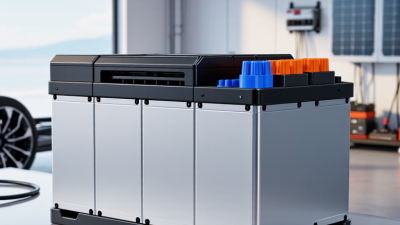
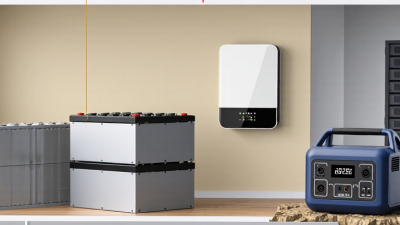
Choosing the right LiFePO4 battery starts with the job it must do. A cabin solar system, a fishing boat, and an off-grid workshop place different demands on the same chemistry. The International Energy Agency reported that lithium iron phosphate batteries supplied nearly 40% of global electric-car battery demand in 2023. That scale matters, but it does not make every pack suitable for every buyer. A large market share is not a personal recommendation.
For a useful comparison, check usable capacity, continuous and peak discharge current, charging limits, operating temperature, cycle-life test conditions, and warranty terms. Picture a cold morning when a battery must start an inverter, or a sunny afternoon when solar input rises. Those details can matter more than a bold “long life” claim on a label. Battery scientist Dr. Shirley Meng’s work underscores why materials, performance, and safety deserve careful evaluation. A buyer’s practical takeaway is simple: match the battery to its actual operating conditions. Treat that as a paraphrased principle, not a verbatim quotation.
The term “lifep04 battery” is often searched online, but buyers should confirm the product is genuinely lithium iron phosphate and review its technical documentation. Compare the battery-management system, cell configuration, protection features, and support available after purchase. Ask how cycle life was measured; test conditions can change the number substantially. Some specifications remain difficult to compare across brands. That is worth admitting. A clear, well-supported datasheet is more useful than a perfect-sounding promise, especially when the battery will sit in a hot compartment or power equipment far from service.

Start by listing the devices you need to run, their wattage, and daily operating hours. A 60-watt fridge running for 10 hours uses about 600 watt-hours, before inverter losses. Add the energy needs of other devices for a realistic daily total.
Then compare that figure with the battery’s usable energy, not just its advertised capacity. A 12.8-volt, 100-amp-hour battery stores about 1,280 watt-hours nominally, but not all of that may be available in practice. Check the manufacturer’s recommended discharge limits and allow for conversion losses, cold conditions, and aging.
Power matters too. Add the wattage of devices that may run at the same time, then check the battery’s continuous output and surge limits. Motors and compressors can briefly draw more power when starting.
Tips: Keep a small load log for a few days. It can reveal devices you forgot to count. Leave a practical reserve rather than sizing exactly to your estimate; real usage rarely follows a perfect schedule.
A rough calculation is useful, but it can still be optimistic. For example, a heater used longer on a cold night may change your runtime noticeably. Confirm that the battery voltage matches your system, and follow the equipment maker’s guidance for charging and connections. If your expected loads are close to the battery’s limits, consult a qualified installer before choosing a setup.
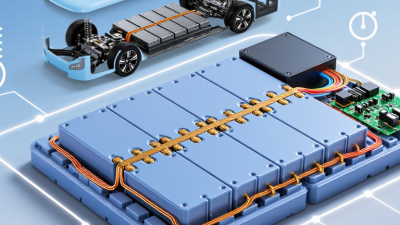
How to Choose the Best LiFePO4 Battery for Your Needs?
Start by matching battery voltage to your equipment. A LiFePO4 pack labeled 12.8 V is commonly used in 12 V systems, while larger systems may require 25.6 V or 51.2 V. Check the inverter, charger, and load specifications; similar-looking connectors do not guarantee electrical compatibility. Voltage matters.
Capacity, measured in amp-hours, tells only part of the story. Multiply voltage by amp-hours to estimate watt-hours: a 12.8 V, 100 Ah battery stores about 1,280 Wh before system losses. Then compare that figure with your actual daily use, such as a 60 W refrigerator running overnight. Leave a practical reserve, because conversion losses and temperature can reduce available energy. Cold changes everything. Many LiFePO4 batteries restrict charging below freezing, so check the stated temperature limits for your installation.
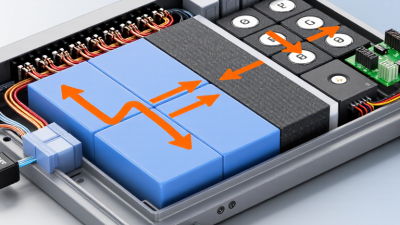
Read the battery management system specifications as carefully as the capacity. The BMS should support your equipment’s continuous current draw, plus brief startup surges from motors or inverters. Check its charge-current limit, low-voltage cutoff, temperature protection, and cell-balancing features. A high amp-hour rating cannot compensate for a BMS that trips under load. Check the label. Specs can be confusing, and published peak-current figures may apply only briefly. When the figures are unclear, ask the supplier for continuous ratings and operating conditions before choosing.
Compare nominal voltage and capacity across representative battery configurations.
LiFePO₄ cells have a nominal voltage of about 3.2 V per cell, so common pack voltages include 12.8 V (4 cells in series), 25.6 V (8 cells), and 51.2 V (16 cells). Capacity in amp-hours indicates how much charge a battery can store; approximate energy in watt-hours is nominal voltage multiplied by capacity. Choose a voltage compatible with your equipment, then select capacity for your runtime needs. Match the BMS to the pack’s series count and ensure its continuous current ratings and protection settings suit your load and the battery cell specifications. Examples shown are illustrative configurations, not product recommendations.
Match Battery Chemistry and Design to Your Application
Start with the job the battery must do. A solar setup in a camper may need steady energy overnight, while a motor or inverter can demand a brief, high current. Estimate daily watt-hours and peak load separately. Capacity alone can mislead. LiFePO4 cells are commonly rated at about 3.2 volts nominal per cell, but pack voltage and usable capacity depend on the battery’s design and limits.
Check the battery management system, or BMS, against your expected charge and discharge current. It should protect the cells from conditions such as overcurrent and unsuitable voltage. For cold-weather use, verify the maker’s charging temperature limits; many LiFePO4 batteries should not be charged below freezing without suitable protection. Small details matter. A battery that fits electrically may still have awkward terminals or poor mounting points.
Match the enclosure and connections to the setting. A boat, utility vehicle, and indoor backup system face different vibration, moisture, space, and ventilation concerns. Measure the compartment, then confirm cable access and terminal orientation before buying. It is easy to overfocus on advertised cycle life; real service also depends on temperature, charge settings, and depth of discharge. I would still leave room for uncertainty in the load estimate, especially when appliances start unpredictably.
A good LiFePO4 battery should fit the job, not just the budget. Check for a battery management system that can interrupt charging or discharging during unsafe voltage, current, or temperature conditions. That safeguard matters when a load starts suddenly or a charger behaves unexpectedly. Still, it does not replace correct wiring, a suitable charger, or a properly protected installation. Small details count.
Lifespan depends on more than the cycle-life figure printed on a specification sheet. Frequent deep discharges, excessive heat, and unsuitable charging can shorten service life. Compare the stated cycle rating at its tested depth of discharge, and ask what capacity remains at the end of that test. The conditions matter. A battery used gently for cabin lights may age differently from one powering a heavy motor every day. I would not treat any advertised cycle count as a promise; real use is messier.
Check operating limits before purchase. If the battery will sit in a cold storage compartment, confirm its charging-temperature range and whether it has low-temperature charge protection. Many LiFePO4 batteries should not be charged below freezing unless the manufacturer specifically allows it. Also match voltage, continuous current, peak current, capacity, and terminal type to your equipment. Measure the compartment, too. It is easy to overlook a few centimeters until the battery arrives.
A suitable LiFePO4 battery must match the equipment it will power. Check the system voltage, inverter limits, charger profile, and required capacity before comparing prices.
A 12.8-volt battery may not work with every charger designed for another chemistry. Confirm the recommended charging voltage in the battery manual, and check whether the battery management system supports your expected current. For cold-weather use, verify its low-temperature charging protection.
Small details matter. A battery that fits the compartment can still fail to fit the system.
Ask for certification documents that apply to the battery’s intended use and sales region. Check the exact model and standard covered; a logo alone tells you little. Ask before buying.
Read the warranty for cycle limits, capacity-retention terms, temperature exclusions, and what proof is needed for a claim. “Long warranty” sounds reassuring, but the conditions matter more. Also check who handles technical questions and replacement claims.
Can support explain a fault code, or confirm whether batteries may be connected in parallel? Save the manual and purchase records.
One thing buyers may overlook: compatibility advice given verbally is harder to verify later, so get key answers in writing.