What Is a LiFePO4 Lithium Battery?
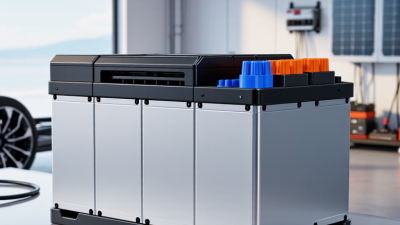
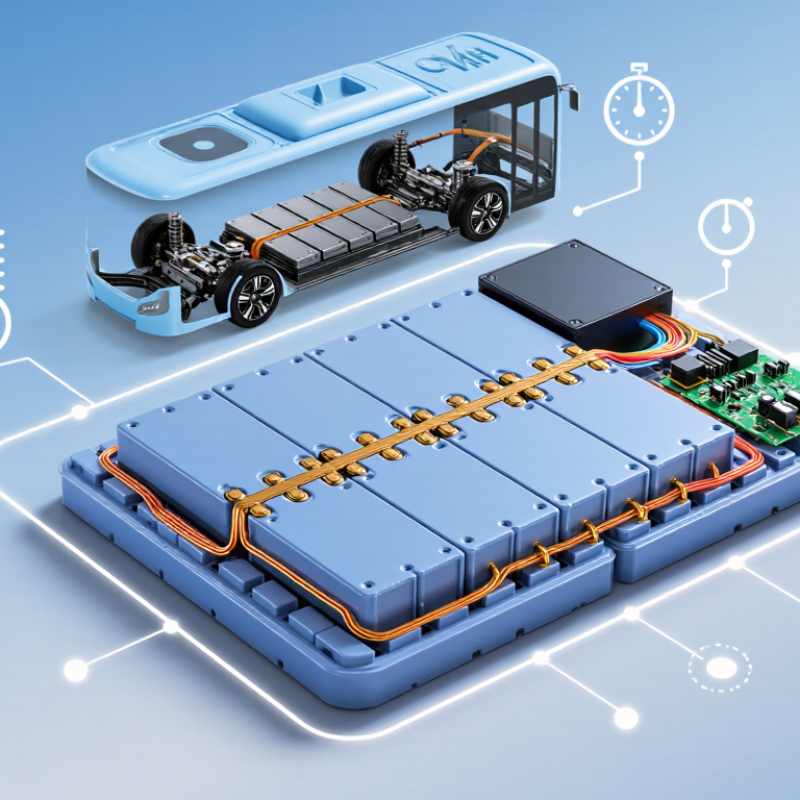
A lifepo4 lithium battery uses lithium iron phosphate as its cathode material. The chemistry is known for strong thermal stability and a long cycle life. Picture a battery pack beneath an electric bus floor: dozens of cells work together, while a battery management system monitors their voltage and temperature. The chemistry matters. So does the engineering around it.
Battery scientist Dr. Shirley Meng’s research supports a practical takeaway: “Chemistry matters, but cell design and operating conditions shape real-world performance.” This is a concise paraphrase, not a verbatim quotation. It captures an important point: a cell’s chemistry alone cannot predict how an entire battery pack will behave. That detail is easy to overlook.
LiFePO4 cells typically store less energy per unit of weight than some nickel-rich lithium-ion cells. In return, they can offer stable operation and many charge cycles when properly designed and used. Cold temperatures can reduce available power and charging performance. Poor system design can also undermine expected service life. There are trade-offs.
This introduction sets up a closer look at how LiFePO4 batteries work, where they are used, and what buyers should compare. We will consider voltage, lifespan, safety features, and charging needs—not just a label on a product page. The numbers can look reassuring. Real use is messier. A battery’s actual performance depends on its cells, controls, temperature, and daily workload.
Definition and Chemical Composition of LiFePO4 Batteries
A LiFePO4 lithium battery is a rechargeable cell with a lithium iron phosphate cathode, written as LiFePO4. Its olivine crystal structure places lithium and iron within a phosphate framework. During discharge, lithium ions move from the cathode through the electrolyte and separator into the graphite anode. Electrons flow through the external circuit, powering a device. That is the core. Charging reverses the ion movement, while iron shifts between Fe2+ and Fe3+ states to balance charge. The phosphate framework helps stabilize the cathode, but cells can still age or suffer damage.
The full cell also contains an electrolyte, separator, current collectors, and protective casing; details vary by design. The International Energy Agency’s Global EV Outlook 2024 reported that LFP batteries represented roughly 40% of the global electric-car battery market in 2023. LFP cathodes contain no nickel or cobalt, but that statistic describes market share, not the performance of every cell. The name can sound complete; it is not. Real-world capacity and lifespan also depend on cell design, temperature, and charging conditions. A battery label alone cannot reveal those details.
What Is a LiFePO4 Lithium Battery? - Definition and Chemical Composition of LiFePO4 Batteries
| Dimension |
Details |
| Definition |
A LiFePO4 battery is a lithium-ion battery that uses lithium iron phosphate as its positive-electrode (cathode) active material. |
| Chemical formula |
LiFePO4 (often written as LiFePO4) |
| Elements and atomic ratio |
Lithium (Li), iron (Fe), phosphorus (P), and oxygen (O), in an atomic ratio of 1:1:1:4. |
| Approximate molar mass |
157.76 g/mol, calculated from the standard atomic masses of the elements in LiFePO4. |
| Approximate composition by mass |
Lithium: 4.4%; iron: 35.4%; phosphorus: 19.6%; oxygen: 40.6%. Values are calculated for the pure compound and rounded. |
| Crystal structure |
It has an olivine-type crystal structure. Phosphate groups form PO4 tetrahedra, while iron occupies sites coordinated by oxygen atoms. |
| Role during operation |
Lithium ions move between the electrodes during charging and discharging. Iron changes oxidation state as lithium is removed from or inserted into the cathode material. |
| Other typical cell components |
A complete cell also contains a negative electrode (often graphite), an electrolyte containing a lithium salt, a separator, current collectors, and a housing. Materials and designs vary by cell. |
| Typical nominal cell voltage |
About 3.2 V per cell. Actual operating and cutoff voltages depend on the cell specification and battery-management system. |
| Important distinction |
LiFePO4 names the cathode chemistry, not the entire battery’s chemical composition. A battery pack may contain multiple cells and additional electrical and protective components. |
Cell Structure and How the Battery Stores Energy
A LiFePO4 cell has a positive electrode made with lithium iron phosphate and a negative electrode commonly made from graphite. A porous separator sits between them, keeping the electrodes apart while allowing lithium ions to pass through. The electrolyte inside the cell provides the pathway for those ions. That thin layer matters.
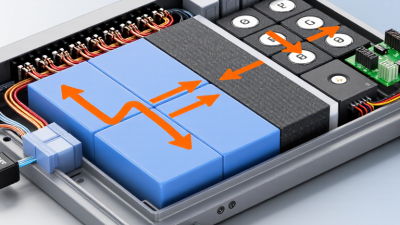
When the battery discharges, lithium ions move from the graphite electrode toward the lithium iron phosphate electrode. At the same time, electrons travel through an external circuit, powering a device or motor. They do not pass through the separator. During charging, an external power source drives the ions back toward the graphite, storing energy in the cell’s chemical arrangement. It is a useful picture, though real cell chemistry is more involved than this simple path suggests.
Cell design affects how energy moves and how much heat develops. Temperature, charging rate, electrode condition, and the battery’s control system can all influence performance over time. A cell may feel cool during gentle use, yet warm under heavier demand. Chemistry alone does not tell the whole story. Regular monitoring can reveal changes, but it cannot make aging disappear.
Key Performance Characteristics
LiFePO4 cells have a nominal voltage near 3.2 volts and a steady discharge profile. Their voltage stays relatively flat through much of a charge cycle, so readings alone may not show remaining capacity clearly. The cathode’s theoretical specific capacity is 170 mAh per gram, reported by Padhi, Nanjundaswamy, and Goodenough in the Journal of the Electrochemical Society (1997). Real cells deliver less. Stable, not magic.
Thermal stability is another defining characteristic. The iron-phosphate structure is generally more resistant to oxygen release at high temperatures than layered nickel-rich cathodes. That can reduce one pathway to thermal runaway, but it does not make a battery fireproof. Pack design, temperature monitoring, and correct charging still matter. In practice, a warm enclosure on a hot afternoon can shorten service life.
Cycle life can reach thousands of cycles in suitable operating conditions, but there is no universal figure. Temperature, discharge depth, and charging limits all affect results. The International Energy Agency’s Global EV Outlook 2024 describes LFP batteries as generally less energy-dense than nickel-based alternatives, while noting their role in the expanding battery market. That trade-off is easy to overlook: more usable lifetime may come with a larger, heavier pack. Actual performance depends on the cell and the system around it.
Common Battery Types and Applications
Common Battery Types and Applications
Battery choice depends on the job, not just the chemistry. Lead-acid batteries remain common in vehicles, backup systems, and budget-conscious installations. They are familiar and widely available, but they are heavy and often provide less usable capacity over repeated deep discharge. Nickel-metal hydride batteries still appear in some hybrid vehicles and household devices. They tolerate frequent use, though their energy storage per kilogram is lower than many lithium-ion options.
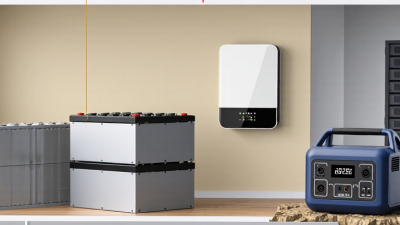
Lithium-ion includes several chemistries. Lithium iron phosphate, or LiFePO4, is valued for stable operation and long cycle life when used within its specified limits. It often suits home solar storage, recreational vehicles, marine systems, and portable backup power. Many designs include a battery management system to monitor voltage and temperature. That detail matters. Charging outside the maker’s temperature limits can damage a battery, especially in cold conditions.
Other lithium-ion chemistries, such as nickel manganese cobalt, are used where compact size and high energy density matter, including some electric vehicles and portable electronics. LiFePO4 may be heavier for the same stored energy, so it is not automatically the best fit. A practical check is to compare required power, daily energy use, operating temperature, and available space. People sometimes focus only on price. That can miss replacement costs and installation needs.
Safety, Lifespan, and Maintenance Considerations
LiFePO4 is a lithium-ion battery chemistry known for stable operation and long cycle life. Stable does not mean risk-free. Use a battery with a suitable battery management system, which helps prevent overcharging, excessive discharge, and unsafe temperatures. Keep the case dry, clean, and away from direct heat. If it becomes swollen, cracked, or unusually hot, stop using it and seek qualified advice. Do not ignore small changes.
Lifespan depends on temperature, charging habits, depth of discharge, and the battery’s design. Frequent deep discharges and prolonged exposure to heat can shorten service life. Follow the manufacturer’s charging limits, especially in cold conditions, when charging may require extra protection. A battery can still lose capacity gradually, even when it appears normal. That part is easy to overlook.
Maintenance is usually simple, but not nonexistent. Check terminals for looseness or corrosion, inspect cables, and keep ventilation clear. Store the battery within its recommended temperature and charge range if it will sit unused. Avoid guessing from a single voltage reading; use the battery’s monitoring system or a suitable tester when checking its condition. A small log of charge levels and unusual behavior can help reveal patterns, though it is not a substitute for proper inspection.
What Is a LiFePO4 Lithium Battery?
Safety, lifespan, and maintenance considerations
How to read this chart: The bars show commonly cited cycle-life ranges, not guaranteed performance. Actual lifespan depends on factors such as depth of discharge, temperature, charging practices, and battery design. LiFePO4 batteries are known for good thermal stability, but they still require a compatible charger and battery management system. To support long service life, avoid excessive heat and follow the battery manufacturer’s charging and storage guidance.

 2 Enterprise Lane, Bedford, PA 15522
 (800) 771-7139
 sales@site_040a9139-525b-4487-aedd-8b22114146ed