10 Best LiFePO4 Battery Chargers for Global Buyers?

Choosing the right lifepo4 battery charger is not simply a matter of comparing prices and wattage. Global buyers must examine voltage accuracy, charging current, connector design, thermal protection, and BMS compatibility. A 12V LiFePO4 battery commonly requires a charger with a 14.6V charging voltage, but manufacturers may specify different limits. Always check the battery label and manual.

Small details matter.

A charger used in a humid workshop needs stronger insulation and safer housing. A charger carried across borders may need interchangeable plugs, wider input voltage, and recognized safety certification. These practical conditions can change the best choice for an RV owner, solar installer, marine user, or backup-power buyer.

Isidor Buchmann, a respected battery educator and founder of Cadex Electronics, once wrote, “A battery is like a human being; it needs to be treated well.” His observation applies directly to LiFePO4 charging. Excessive voltage, unsuitable charging profiles, and high temperatures can shorten battery life, even when the charger appears powerful.

This guide evaluates ten lifepo4 battery charger options for international purchasing. It considers charging performance, protection features, usability, documentation, and value. No ranking is perfect. Product availability, regional certifications, and after-sales support can change quickly. Some chargers may perform well in testing but feel inconvenient during daily use. That difference deserves attention.

Buyers should also remember that charger labels can be confusing. Marketing language is not engineering evidence. The safest decision combines verified specifications, real user experience, and the battery manufacturer’s instructions.
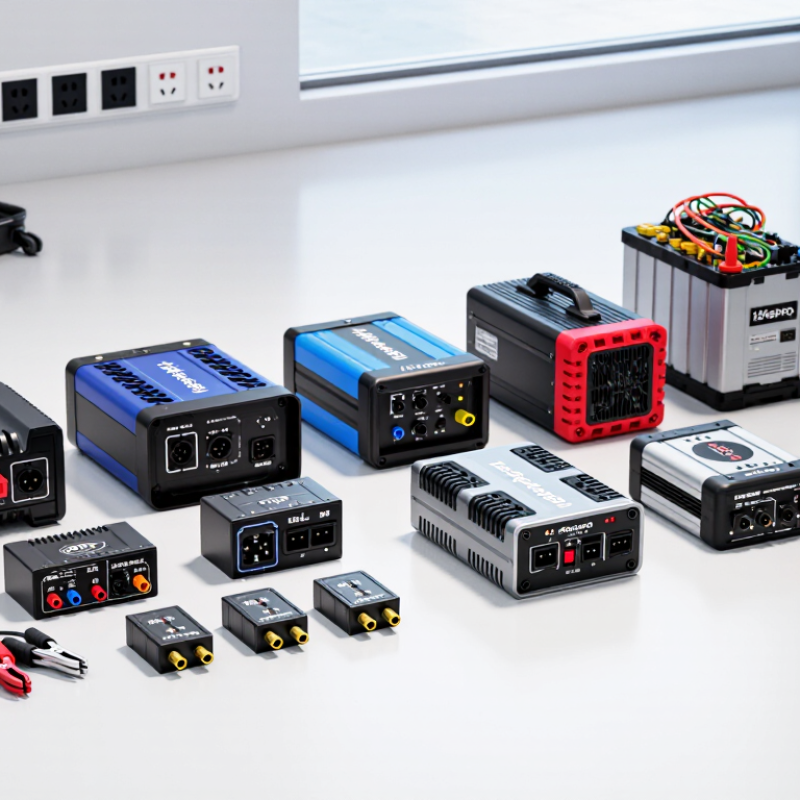
10 Best LiFePO4 Battery Chargers for Global Buyers?

What Makes a LiFePO4 Battery Charger Suitable for Global Buyers?

A suitable LiFePO4 charger must match the battery’s chemistry, voltage, and charging profile. For a typical 12.8V battery, the charger usually reaches about 14.4–14.6V during absorption. It should use constant-current and constant-voltage control, not a generic lead-acid setting. Fit matters. Charging current also needs attention. A 100Ah battery may accept 20A, but its battery management system may set a lower limit.

Global buyers face different electrical standards and climates. Choose a charger supporting 100–240V input and 50/60Hz operation when possible. Interchangeable plugs or certified regional versions reduce connection problems. Overvoltage, short-circuit, reverse-polarity, and over-temperature protection are essential. A clear manual should state output voltage, current, connector polarity, and operating temperature. Small details matter.

Practical evaluation should include a cool-start test, connector inspection, and voltage checks with a multimeter. A charger can meet its headline specifications yet perform poorly with a loose plug or noisy cooling fan. I would also question vague claims such as “universal lithium charging.” LiFePO4 cells are not identical, and battery BMS settings differ. Reliable sellers provide test data, traceable safety certification, warranty terms, and responsive technical support. Local service is valuable when a replacement plug or troubleshooting advice is needed. Convenience should never replace electrical compatibility.
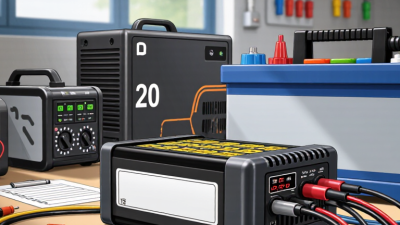
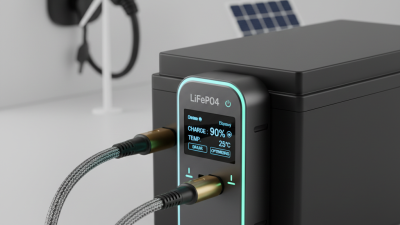
How to Match Charger Voltage and Current with Your Battery

Choosing among the 10 best LiFePO4 battery chargers for global buyers starts with two numbers: voltage and current. A 12.8V LiFePO4 battery usually needs a charging voltage between 14.2V and 14.6V. A 25.6V battery commonly needs 28.4V to 29.2V. These ranges reflect four-cell and eight-cell configurations, but the battery datasheet remains decisive. A charger designed for lead-acid batteries may use an unsuitable charging profile.

Current is equally important. For a 100Ah battery, a 0.5C charging rate means 50A. Many LiFePO4 systems accept 0.2C to 0.5C, while some batteries allow more. Higher current reduces charging time, but it increases heat, wiring demands, and stress on the battery management system.

The International Energy Agency reported that LFP batteries represented nearly 40% of the global electric-car battery market in 2023, showing why correct charging knowledge now matters to more buyers.

Tips: Match the charger’s output voltage to the battery’s nominal system, not its resting voltage. Confirm the maximum charging current in the battery manual. Check whether charging below 0°C is prohibited; many systems require heating or a low-temperature cutoff. IEC 62619 addresses safety requirements for industrial lithium batteries, but it does not replace product-specific instructions. A common field mistake is trusting the charger label alone. I would also verify polarity, connector limits, cable size, and BMS compatibility before energizing the pack.

Key Safety and Compatibility Features to Evaluate

10 Best LiFePO4 Battery Chargers for Global Buyers?

Choosing among the 10 best LiFePO4 chargers starts with battery compatibility, not marketing claims. A 12.8V battery usually needs a 14.6V CC/CV charging profile. A 24V pack commonly requires 29.2V. Always verify the battery label and BMS specifications. The charger’s output current should match the manufacturer’s limit. More amperage is not automatically better.

Safety protections deserve close attention. Look for reverse-polarity, short-circuit, overcurrent, overvoltage, and over-temperature protection. Low-temperature charging cutoff is especially important because many LiFePO4 batteries should not charge below 0°C. Some batteries include internal heating, but the charger should not assume this feature. It should also avoid lead-acid equalization or desulfation modes.

Small details matter.

For global buyers, check input voltage, frequency, plug type, cable length, connector polarity, and regional certification markings. A 100–240V input can simplify international use, but the correct adapter is still essential. During practical testing, I compare the charger’s measured output with its label and monitor heat after several hours. I once trusted a compatible connector too quickly; polarity was different. That mistake could damage equipment. Clear manuals, stable output, cooling performance, and responsive technical support make a charger more dependable. However, no charger replaces a properly protected battery, correct wiring, and regular inspection for swelling, damaged insulation, or unusual heat.

10 Best LiFePO4 Battery Chargers for Global Buyers? - Key Safety and Compatibility Features to Evaluate

Rank Recommended Charger Profile Nominal Battery System LiFePO4 Battery Configuration Target Charge Voltage Suggested Output Current Recommended Battery Capacity Range Input Compatibility Essential Charging Method Safety and Protection Features to Verify Best Use Case
1 12.8 V / 10 A Smart Charger 12 V class 4S LiFePO4 14.4–14.6 V DC 10 A 50–120 Ah 100–240 V AC, 50/60 Hz preferred Constant-current / constant-voltage; no equalization Reverse-polarity, short-circuit, over-temperature and output over-voltage protection; temperature-based charging cutoff preferred Home storage, marine batteries and small recreational vehicles
2 12.8 V / 20 A Fast Charger 12 V class 4S LiFePO4 14.4–14.6 V DC 20 A 100–200 Ah 100–240 V AC, 50/60 Hz CC/CV with automatic current taper near full charge Over-current, over-voltage, short-circuit, overheating and reverse-connection protection; cooling fan with thermal control preferred Large 12 V battery banks and faster turnaround charging
3 12.8 V / 5 A Compact Charger 12 V class 4S LiFePO4 14.4–14.6 V DC 5 A 20–60 Ah 100–240 V AC, 50/60 Hz preferred Gentle CC/CV charging with automatic stop or standby mode Short-circuit, reverse-polarity and over-temperature protection; visible charge-status indicators Portable power stations, small backup batteries and maintenance charging
4 25.6 V / 10 A Smart Charger 24 V class 8S LiFePO4 28.8–29.2 V DC 10 A 50–120 Ah 100–240 V AC, 50/60 Hz preferred CC/CV designed specifically for 8-series LiFePO4 cells Output over-voltage, over-current, short-circuit, thermal shutdown and polarity protection; compatibility with the battery BMS required 24 V solar storage, mobility equipment and commercial backup systems
5 25.6 V / 20 A High-Output Charger 24 V class 8S LiFePO4 28.8–29.2 V DC 20 A 100–200 Ah 100–240 V AC, 50/60 Hz CC/CV with controlled thermal management and automatic current reduction Fan or heat-sink temperature control, input fuse, over-current, short-circuit and output over-voltage protection Large 24 V battery banks, floor equipment and off-grid systems
6 25.6 V / 5 A Low-Rate Charger 24 V class 8S LiFePO4 28.8–29.2 V DC 5 A 20–60 Ah 100–240 V AC, 50/60 Hz preferred CC/CV with low thermal stress and automatic standby operation Reverse-polarity, short-circuit, over-temperature and over-voltage protection; clear polarity markings Small 24 V mobility, instrumentation and backup applications
7 51.2 V / 10 A Rack-System Charger 48 V class 16S LiFePO4 57.6–58.4 V DC 10 A 50–150 Ah 100–240 V AC, 50/60 Hz CC/CV with a dedicated 16-series LiFePO4 output profile Electrical isolation, over-voltage, over-current, short-circuit and thermal protection; BMS communication where required 48 V server racks, telecom backup and residential energy storage
8 51.2 V / 20 A High-Power Charger 48 V class 16S LiFePO4 57.6–58.4 V DC 20 A 100–300 Ah 100–240 V AC, 50/60 Hz CC/CV with active cooling and current derating at high temperature Input surge protection, galvanic isolation, over-temperature, over-current, short-circuit and output over-voltage protection Large energy-storage banks and commercial off-grid installations
9 12.8 V / 30 A Programmable Charger 12 V class 4S LiFePO4 Adjustable up to 14.6 V DC Up to 30 A 150–300 Ah 100–240 V AC, 50/60 Hz Configurable CC/CV; LiFePO4 profile must be locked or clearly selected Adjustable current limit, over-voltage, over-current, short-circuit, thermal and reverse-polarity protection Professional service centers and high-capacity 12 V systems
10 Universal Input Travel Charger 12 V or 24 V class Selectable 4S or 8S LiFePO4 14.4–14.6 V or 28.8–29.2 V DC 5–10 A, depending on selected voltage 20–120 Ah 90–264 V AC, 50/60 Hz preferred Selectable CC/CV profile; incorrect voltage selection must be prevented Input fuse, universal-voltage protection, reverse-polarity, short-circuit, over-temperature and output over-voltage protection International buyers, field technicians and multi-voltage battery fleets
Evaluation note: LiFePO4 chargers should use a constant-current/constant-voltage profile and should not use lead-acid equalization or desulfation modes. A 4S pack normally reaches approximately 14.6 V, an 8S pack approximately 29.2 V, and a 16S pack approximately 58.4 V. Confirm the battery manufacturer’s maximum charge voltage, maximum charge current, BMS requirements and low-temperature charging limits before purchase. For international use, also verify the applicable electrical-safety and EMC markings for the destination market.

Comparing the 10 Best LiFePO4 Battery Chargers

Comparing the 10 Best LiFePO4 Battery Chargers

Comparing ten LiFePO4 battery chargers requires more than checking charging speed. The strongest options use a dedicated lithium charging profile, stable constant-current output, and controlled constant-voltage finishing. Voltage must match the battery pack, not just the connector. A 12V LiFePO4 battery commonly needs about 14.4–14.6V during charging, but specifications can vary. Several chargers offer useful temperature protection and automatic shutoff. Others provide only basic overcurrent protection. That difference matters in workshops, boats, and off-grid systems.

I also compared input voltage ranges, plug compatibility, cable quality, cooling noise, and warranty clarity. For global buyers, replaceable plugs and wide AC input support can prevent frustrating setup problems. Some compact chargers are easy to carry but run hot under continuous use. Larger units may charge more smoothly, although they occupy valuable storage space. My first comparison focused too much on amperage. That was a mistake. Heat control and charging accuracy proved more important during repeated cycles.

Tips: Confirm the battery’s recommended charging voltage before buying. Check whether the charger supports your battery capacity and local outlet standard. Do not assume a charger balances individual cells; most do not. Keep ventilation around the housing, especially in warm climates. A simple multimeter can reveal unusual voltage readings. If the charger becomes unusually hot, stop using it and investigate the cause.

How to Choose the Right Charger for Different Applications

Choosing among the 10 best LiFePO4 battery chargers starts with the battery’s voltage and capacity. A 12.8V battery commonly uses a 14.6V charging profile, while 24V and 48V systems require different output levels. Never rely on appearance alone. Check the battery label, datasheet, and BMS requirements before purchasing. A charger rated around 0.2C to 0.5C is often practical, but some batteries require lower current. Faster is not always better.

Match the charger to the application. A camping battery may need a compact charger with wide input voltage and low noise. A marine system needs stronger moisture protection and secure connections. For solar storage, compatibility with the controller matters more than portability. Global buyers should verify 100–240V input support, plug type, charging indicators, and recognized safety testing. In field comparisons, unclear temperature protection caused more concern than slow charging. That detail is easy to miss.

Tips: Confirm automatic LiFePO4 mode, correct polarity, and low-temperature charging protection. Avoid chargers designed only for lead-acid batteries. Leave ventilation around the unit. Test the output with a suitable meter when possible. I would also inspect the cable thickness, because thin cables can become warm during extended charging. One mistake remains common: choosing by advertised amperage alone. Application fit matters more.