How to Choose the Best Lifepo4 Battery Charger for Your Needs?
Choosing the right LiFePO4 battery charger can be a daunting task. The market is filled with various options, each claiming to suit different needs. According to John Anderson, a leading expert in battery technologies, “Selecting the correct charger is crucial for maximizing battery performance.” His insights guide many in this complex industry.
When considering a LiFePO4 battery charger, think about your specific requirements. Factors like charging speed, compatibility, and safety features should be prioritized. A charger that's robust and user-friendly can protect your investment in LiFePO4 batteries. Remember, not all chargers are created equal. Take the time to research their specifications and read user reviews.
It’s essential to reflect on your current setup and future needs. An ideal charger can enhance longevity and efficiency, but choosing incorrectly may lead to inadequate performance. Delve into the details of each option. Often, the perfect solution is a blend of features that meets your unique demands while prioritizing reliability.
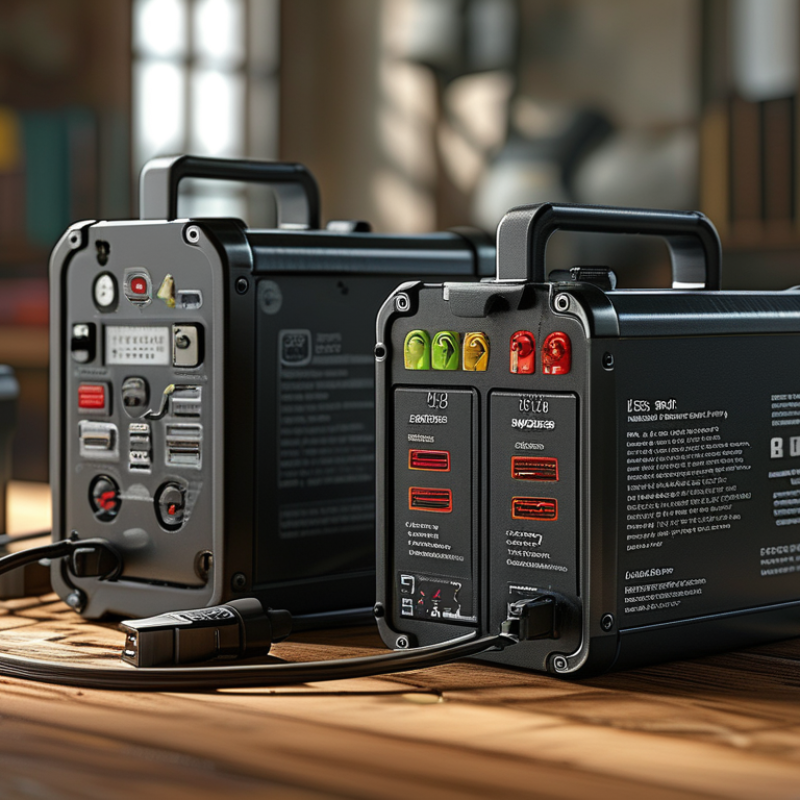
Understanding Lifepo4 Battery Characteristics
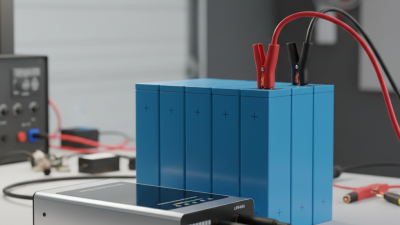
LiFePO4 batteries have unique characteristics that set them apart from other lithium-ion batteries. They offer high energy density, which translates to longer usage between charges. This makes them ideal for electric vehicles and renewable energy applications. However, these batteries require precise charging conditions to maintain their performance and longevity.
When selecting a charger, it is crucial to understand the specific needs of your LiFePO4 battery. Reported data shows that these batteries should ideally be charged at a maximum voltage of 3.65V per cell. Incorrect voltage can lead to reduced lifespan or even failure. Additionally, their charging rates are typically between 0.5C and 1C. This means if you have a 100Ah battery, the charger should provide between 50A and 100A. Always ensure the charger matches the chemistry of your battery.
The temperature during charging is another vital factor. LiFePO4 batteries operate effectively within a temperature range of 0°C to 45°C. Charging them outside this range can lead to inefficiencies. Many users overlook this aspect, resulting in inconsistent battery performance. The exact specifications can vary based on manufacturer recommendations, but users must pay attention to this crucial detail for optimal usage.
Types of Lifepo4 Battery Chargers Available
When choosing a Lifepo4 battery charger, it’s essential to understand the different types available. Common types include smart chargers, standard chargers, and solar chargers. Smart chargers adapt to the battery's needs. They often provide real-time data and diagnostics, ensuring efficiency in charging cycles. Standard chargers are straightforward but lack advanced features. They can be less costly but may require more careful monitoring to prevent overcharging.
Solar chargers offer a unique benefit. They harness renewable energy, making them eco-friendly options. However, performance can vary based on sunlight availability. Each type serves different needs and preferences. Choosing the right one depends on your specific usage and requirements. Consider your lifestyle; a regularly used battery may benefit from a smart charger’s capabilities. Conversely, a casual user might find a standard charger sufficient.
Mistakes can happen when selecting a charger. Users may overlook compatibility with their batteries. It’s vital to check specifications. Additionally, some chargers may not have the durability needed for rugged environments. Each choice reflects your personal priorities, whether cost, convenience, or environmental impact. Reflecting on these factors will help guide your decision.
Types of Lifepo4 Battery Chargers Available
Key Features to Look for in a Charger
Choosing a LiFePO4 battery charger requires understanding critical features. Focus on these key aspects to find the right one.
Charging speed is essential. Most chargers range from 5A to 20A. A higher amp rating reduces charging time, but ensure compatibility with your battery's capacity. Look for chargers that can adjust the charge rate based on the battery's state. This extends battery life and maintains performance.
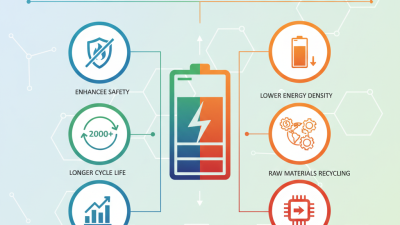
Safety features shouldn't be overlooked. Overvoltage protection and short-circuit prevention can save your equipment. Lithium iron phosphate batteries tend to have a longer lifespan, up to 2000 cycles. This means a reliable charger can provide long-term benefits.
Tip: Check for temperature monitoring in a charger. This can prevent overheating and premature battery failure.
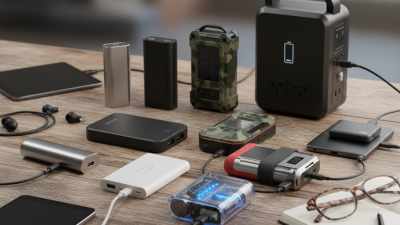
Consider the charger's size and weight. Portable options are great for travel, but they may lack features found in larger models. Think about your needs. A bulky charger might be less convenient, but it may offer more functionality.
Tip: Always read product reviews to gauge reliability. User experiences often highlight potential flaws or advantages not found in specifications.
How to Choose the Best Lifepo4 Battery Charger for Your Needs? - Key Features to Look for in a Charger
| Feature |
Description |
Importance |
| Voltage Compatibility |
Ensure the charger matches the voltage of your LiFePO4 battery (typically 12V, 24V, 36V, or 48V). |
Critical for safety and efficiency. |
| Charging Current |
Look for a charger that provides the right charging current (usually 0.2C to 1C). Exceeding this can damage the battery. |
Affects charging speed and battery life. |
| Smart Charging Technology |
Charger with built-in smart technology adjusts charging rates as needed, enhancing battery lifespan. |
Improves battery health over time. |
| Safety Features |
Overvoltage, overcurrent, and thermal protection help prevent accidents and prolong battery life. |
Essential for user safety and battery integrity. |
| Portability |
Lightweight and compact designs make it easier to transport and use in various settings. |
Convenient for users who need mobility. |
| Warranty and Support |
Check for warranty period and availability of customer support services. |
Provides peace of mind and service availability. |
Compatibility Considerations for Your Charger
When selecting a LiFePO4 battery charger, compatibility is a critical factor. Not all chargers are designed for all battery types. LiFePO4 batteries require chargers specifically optimized for their unique chemistry. Using an incompatible charger can lead to inefficient charging or, worse, damage the battery. A study by the Battery University indicates that inappropriate charging can reduce battery life by up to 30%.
Understanding the voltage requirements of your LiFePO4 battery is essential. These batteries typically operate at a nominal voltage of 3.2V per cell. Chargers must match this voltage to ensure safe and effective charging. Additionally, consider the amp rating of the charger. A higher amp rating can charge batteries faster, but too much current can generate heat and risk potential damage.
Be aware of the charger’s features, such as overcharge protection and temperature control. These functions enhance safety and reliability. However, not all chargers will include these, so thorough research is necessary. According to a 2022 market report, only 40% of users prioritize these safety features. This oversight can lead to significant issues over time. Regularly evaluating your charger’s compatibility with your LiFePO4 battery ensures optimal performance and longevity.
Safety Features and Warranty for Lifepo4 Chargers
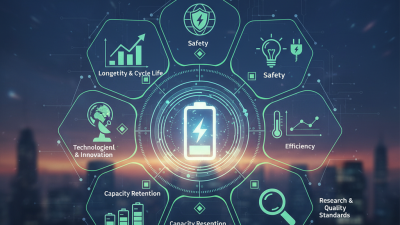
When selecting a LiFePO4 battery charger, safety features should be a top priority. Look for chargers that incorporate overcharge protection and short circuit prevention. These features help protect both your battery and charger from potential damage. A reliable charger often includes temperature control mechanisms as well. This prevents overheating and ensures safe operation, especially during prolonged charging sessions.
Warranty is another important aspect to consider. A good warranty indicates the manufacturer’s confidence in their product. You should look for chargers with at least a one-year warranty. This gives you a safety net if the charger fails or does not perform as expected. Additionally, check customer reviews for insight on durability. Consistent feedback regarding charger performance can be more telling than the specifications alone.
It’s worth acknowledging that even the best chargers can sometimes fail. Issues such as manufacturing defects can occur, albeit rarely. Therefore, understanding the warranty conditions and safety features is crucial for long-term satisfaction. Investing time in researching these aspects will lead to a better purchase decision and a safer charging experience.

 2 Enterprise Lane, Bedford, PA 15522
  (800) 771-7139
  sales@site_040a9139-525b-4487-aedd-8b22114146ed