2 Enterprise Lane, Bedford, PA 15522
 (800) 771-7139
 sales@site_040a9139-525b-4487-aedd-8b22114146ed

Choosing the best 18650 charger from China depends on more than price or a polished product photo. A reliable choice should match your cells’ specifications and provide clear charging information. Check the supported cell size, charging current, input options, and safety features. Details matter. Independent charging bays can be useful when cells have different charge levels, while clear status indicators make routine checks easier. Protection against reverse polarity and excessive temperature is also worth considering. No feature replaces careful use.
This guide compares practical factors buyers can verify, including manufacturer documentation, warranty terms, and seller support. It also explains why charging current matters: a setting that is too high for a particular cell may create avoidable heat. Always follow the cell maker’s instructions, and confirm that the charger supports the cell’s chemistry and full-charge voltage. Many standard lithium-ion 18650 cells charge to 4.2 volts, but specifications can differ. Don’t assume. A low-cost charger may suit occasional use, yet weak documentation or vague safety claims should give buyers pause. Some product listings look convincing, but I would treat unverified claims cautiously. The aim is not to name one universal winner. It is to help readers compare real specifications and choose a charger that fits their cells, budget, and charging habits.
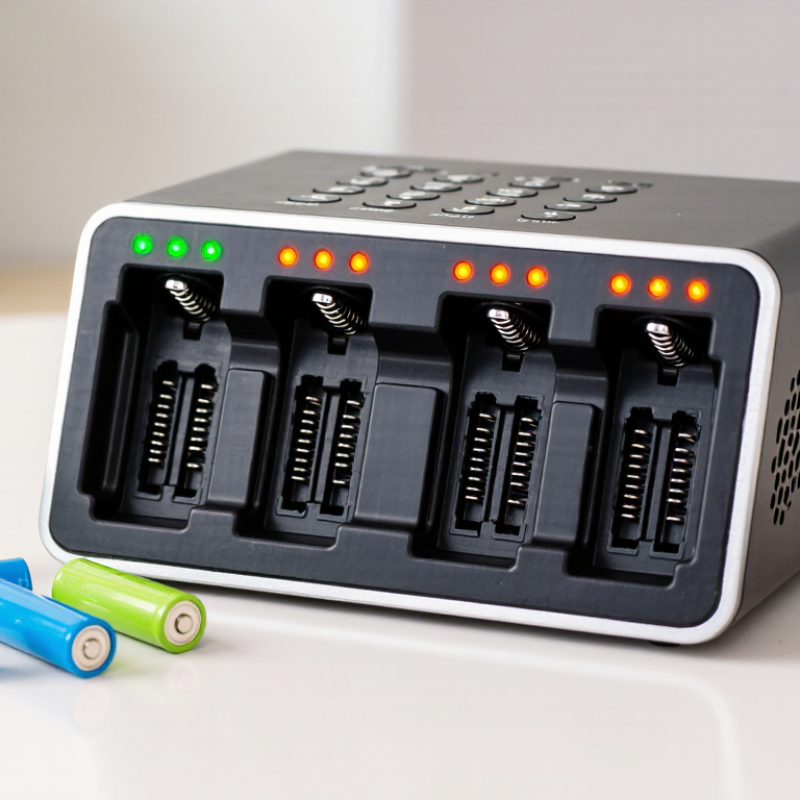
What Is the Best 18650 Charger from China?
18650 Battery Charging Basics
An 18650 is a cylindrical lithium-ion cell, not a single, universal battery specification. Check the cell’s datasheet for its chemistry, maximum charge voltage, and permitted current before choosing a charger. Many standard lithium-ion cells charge to 4.2 volts using a constant-current, then constant-voltage process. Battery University’s BU-409 technical reference describes this charging pattern and explains why voltage control matters. The exact limits still depend on the cell.
Charge current matters, too. A rate of 0.5C is often used as a cautious reference, but it is not a rule for every cell; follow the maker’s stated limit. Choose a charger designed for the cell chemistry and size, with clear polarity markings and independent charging bays. IEC 62133-2:2017 provides safety requirements for portable sealed lithium cells and batteries. It is a useful safety reference, not a substitute for checking compatibility. Heat is a warning. Stop charging if a cell becomes unusually hot, damaged, or swollen.
Tips: Place the charger on a dry, nonflammable surface, and avoid charging damaged cells. Check that each cell is seated correctly. I still find it easy to overlook the small print on a datasheet, so verify the voltage and current twice before plugging in.
| Charger Feature | What to Look For | Practical Guidance | Why It Matters |
|---|---|---|---|
| Cell compatibility | Explicit support for rechargeable 3.6/3.7 V lithium-ion 18650 cells | Check the charger manual for supported cell chemistry, length, and diameter. Protected cells can be longer than unprotected cells. | “18650” describes a cell size, not a guarantee that every cell chemistry or physical length will fit. |
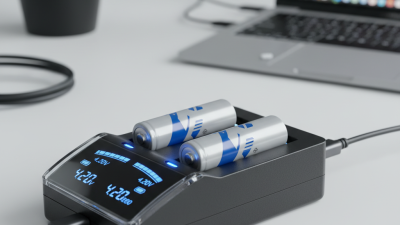
| Charging method | CC/CV charging: constant current followed by constant voltage | For standard 4.20 V lithium-ion cells, the charger should use the voltage specified by the cell manufacturer, typically 4.20 V. | The correct charging profile helps prevent overcharging and supports normal cell life. |
| Charge voltage | Matched to the cell’s rated maximum charge voltage | Many conventional 18650 lithium-ion cells specify 4.20 V; do not use that setting for cells with a different specified limit. | Some lithium-ion chemistries and specialty cells have different voltage limits. |
| Charge current | A selectable or cell-appropriate current, commonly around 0.5–1.0 A per cell for general-purpose charging | Follow the cell datasheet. A 1 A current is about 0.33C for a 3000 mAh cell; higher currents are appropriate only when the cell permits them. | Permitted current depends on the individual cell, its condition, and temperature—not just its 18650 size. |
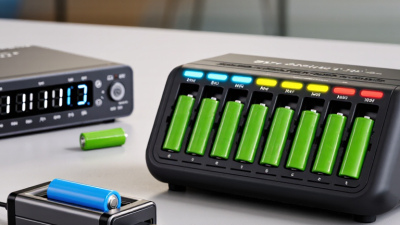
| Charging channels | Independent monitoring and control for each slot | Prefer independent channels if charging cells with different capacities or starting charge levels. | Independent channels can manage each cell separately rather than treating multiple cells as one group. |
| Safety protections | Documented over-voltage, reverse-polarity, short-circuit, and over-temperature protection | Look for clearly described protections and operating instructions; do not rely on an unspecified “smart” or “safe” label. | Protection features reduce common charging risks but do not make damaged or unsuitable cells safe to charge. |
| Power input | Input rating suitable for the intended number of cells and charging current | For USB-powered chargers, check the required input voltage and current and use a compatible power supply and cable. | An inadequate input source may limit charging performance or prevent the charger from operating as specified. |
| Charge status | Clear per-slot indicators or a readable display | Check that the status information distinguishes charging from completion and reports faults where supported. | Per-slot feedback makes it easier to notice an interrupted charge or a cell that is not being recognized. |
| Choosing the “best” option | Verified specifications, a suitable charge current, independent channels, and clear safety instructions | Compare the manual and ratings with the exact cells you own; country of manufacture alone does not establish charger quality. | The best charger is the one that correctly supports your cells and intended use. |
Safety note: Charge cells on a non-combustible surface while attended. Do not charge cells that are damaged, leaking, unusually hot, or have torn insulation. Always follow the cell and charger manufacturers’ instructions.