12 Best 12V Lithium Batteries for RVs in 2026

Choosing the right 12v lithium battery can make RV travel more comfortable and predictable. A dependable battery can power lights, a refrigerator, fans, and charging devices without the bulk of many lead-acid options. But a high price or large capacity alone does not guarantee a good match.

This guide compares 12 leading RV batteries for 2026, focusing on practical details buyers can verify. We consider usable capacity, battery management systems, weight, dimensions, charging limits, warranty terms, and support. These details matter when a battery must fit beneath a dinette or work with an existing inverter and charger. Small details matter.

Cold-weather performance deserves special attention. Some batteries restrict charging below certain temperatures, while others include low-temperature protection. Check the manufacturer’s instructions and confirm your RV’s charging equipment is compatible before buying. A battery’s advertised capacity may not reflect every real-world setup.

No battery is perfect, and this guide does not pretend otherwise. A lightweight model may cost more, while a budget option may offer fewer protections or less support. That trade-off matters. Use the comparisons to narrow your choices, then check current specifications with the manufacturer. RV electrical systems vary, and an experienced installer can help confirm safe sizing and compatibility.
12 Best 12V Lithium Batteries for RVs in 2026

Understanding 12V Lithium Batteries for RVs

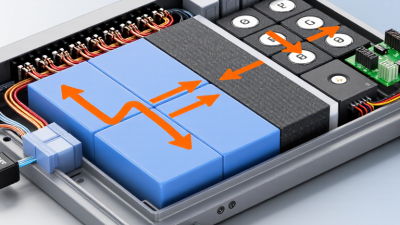
Understanding a 12V lithium RV battery starts with its chemistry and usable energy. Many RV house batteries use lithium iron phosphate (LiFePO4), with a nominal voltage near 12.8V. A 100Ah battery stores roughly 1.28kWh before system losses. Actual delivered energy depends on the battery management system, temperature, inverter, and cutoff settings. The management system helps protect cells, but it cannot replace correct wiring or a compatible charger. One easy mistake is treating rated amp-hours as fully usable energy.

Charging compatibility is easy to overlook. Check the charger’s lithium profile, alternator charging setup, and solar controller settings before installation. Charging limits vary, especially in freezing conditions, so follow the battery manual rather than assuming every pack behaves alike. The U.S. Department of Energy’s 2022 Grid Energy Storage Technology Cost and Performance Assessment reports about 85% round-trip efficiency for lithium-ion systems. That figure is a grid-storage benchmark, not an RV guarantee; cables, conversion equipment, and real loads affect results.

Tips: Match the battery’s voltage and capacity to your loads. Check the label. For a useful estimate, add up appliance watt-hours, then allow for inverter losses and cloudy days. A tidy spreadsheet can still miss a heater cycling overnight.


Key Features to Compare When Choosing an RV Battery

Start by matching battery capacity to your real RV loads, not simply choosing the biggest amp-hour rating. Estimate daily use from the refrigerator, lights, water pump, and any inverter-powered appliances. A small screen and a kettle draw very differently. Check usable capacity, too; rated amp-hours do not always equal energy you can safely draw. For longer trips without hookups, compare how the battery’s usable capacity fits your typical days between charging.

The battery’s built-in management system matters. Compare its continuous and peak current limits with your inverter and other loads, and check for low-temperature charging protection if you camp in cold weather. Confirm that your converter, solar controller, and alternator charging setup support the battery’s required charging profile. Then measure the available compartment, including terminal clearance, and check the battery’s weight against your RV’s limits. Cycle-life claims need context: temperature, discharge depth, and charging habits affect service life. Read the test conditions, not just the headline number. A tidy specification sheet can still leave questions. I’d keep a modest capacity margin, though the right margin depends on your travel style.

12 Best 12V Lithium Batteries for RVs in 2026

Compare common 12V LiFePO₄ capacity options by their calculated nominal energy.

Nominal energy is calculated as capacity (Ah) × 12.8V, a typical nominal voltage for a 12V LiFePO₄ battery. Actual usable energy varies with the battery’s specifications, temperature, load, and BMS limits; compare cycle life, weight, charging limits, and warranty when choosing a battery.

The 12 Best 12V Lithium Batteries for RVs in 2026

Choosing among the 12 best 12V lithium batteries for RVs in 2026 starts with your actual power use. A refrigerator, water pump, and several lights place different demands on a battery than a weekend trip with minimal appliances. Lithium iron phosphate batteries are popular for RV systems because they offer steady output and typically tolerate many charge cycles. Still, advertised capacity is only part of the picture. Check usable amp-hours, continuous discharge limits, and whether the battery management system can handle your inverter’s peak draw.

Fit matters, too. Measure the compartment, including space for cables and airflow, before comparing options. A built-in low-temperature charging cutoff is valuable for travel in cold weather; charging lithium cells below their allowed temperature can damage them. Verify that your converter or solar controller has a compatible charging profile. Small mismatch, big headache. Also compare warranty terms and support details rather than relying on a headline cycle-life claim.

The best choice is not automatically the largest or lightest battery. Match capacity to your daily loads, then leave a sensible reserve for cloudy days or an unexpected overnight stop. If you use two batteries, confirm that the manufacturer permits the intended series or parallel setup. I would not assume every 12V unit works seamlessly with every RV system; manuals and measured dimensions deserve a careful read. Sometimes the spec sheet feels clear, then the wiring plan says otherwise.

How to Match Battery Capacity to Your RV’s Power Needs

A 12V battery’s amp-hour rating is only useful when it matches your daily energy use. List each appliance, its wattage, and how many hours it runs. A 40-watt fan used for eight hours consumes about 320 watt-hours. Include lights, water pumps, phone charging, and refrigerator use. Small loads add up. Measure, do not guess.

Add the daily watt-hours, then divide by the battery’s nominal voltage to estimate amp-hours. For example, 1,200 watt-hours at roughly 12 volts equals about 100 amp-hours before losses. An inverter, wiring, and charging conditions reduce usable energy. Add a reserve rather than planning to drain the battery every night. A 150- to 200-amp-hour bank may suit that example, but actual use varies.

Check the battery’s continuous output rating, too. A microwave or other high-draw appliance can demand more current than its capacity suggests. Also consider consecutive cloudy days, cold-weather performance, and whether your charger supports the battery’s chemistry. Treat the estimate as a starting point, not a promise. Logging power use for a few trips can reveal where the calculation was off.

Installation, Charging, and Maintenance Basics for RV Batteries

A 12V lithium battery installation should start with the RV’s wiring diagram and the battery maker’s instructions. Confirm that the battery chemistry, charging system, and inverter are compatible. Turn off shore power, solar input, and DC loads before working. Small details matter. Secure the battery against movement, cover exposed terminals, and install correctly sized overcurrent protection near the positive terminal. Check polarity twice; a tidy cable run can still conceal a dangerous mistake.

Charging settings deserve careful attention. Set the converter or solar controller to the specified lithium profile and voltage. Do not assume a lead-acid setting, especially an equalization mode, is suitable. Never guess. Charging limits vary by battery, and the built-in management system is not a substitute for correct settings. Cold changes things. Many lithium batteries must not be charged below a specified temperature, so check the manual and any low-temperature protection before winter use.

For maintenance, inspect cables and terminals periodically for looseness, corrosion, or heat discoloration. Keep the battery dry and firmly mounted, and avoid mixing batteries with different capacities, ages, or charge levels in one bank unless the manufacturer permits it. Record resting voltage and charging behavior over time; a simple log can reveal changes you might otherwise miss. I’d also recheck connections after the first few trips, since road vibration can loosen hardware. Do not overtighten terminals. Follow the stated torque value.