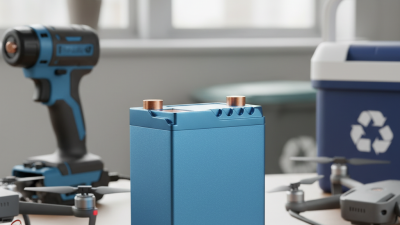
Why Choose Lithium Batteries in Canada for Global Sourcing?
The demand for lithium batteries in Canada is surging. This trend is driven by the need for sustainable energy solutions. Recent reports highlight that the global lithium battery market is expected to grow significantly. By 2025, it could reach $94 billion, with Canada playing a crucial role.
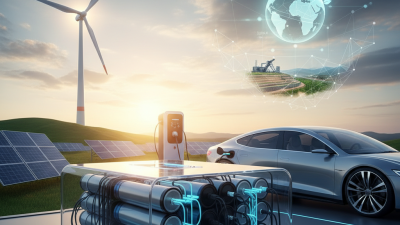
Canada's abundant lithium resources make it a strategic player in global sourcing. According to Natural Resources Canada, the country holds some of the largest lithium reserves in North America. This positions Canadian lithium batteries as reliable and sufficient for various industries, particularly electric vehicles and renewable energy storage.
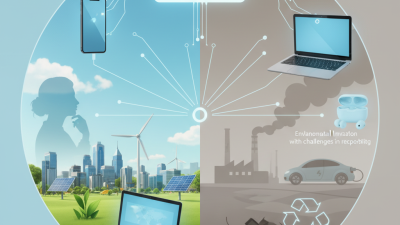
However, challenges persist. The supply chain issues and environmental impacts of lithium mining require careful consideration. Striking the right balance between growth and responsibility is vital. As the industry evolves, companies must navigate these complexities to harness the full potential of lithium batteries in Canada.

Benefits of Lithium Batteries for Canadian Global Sourcing
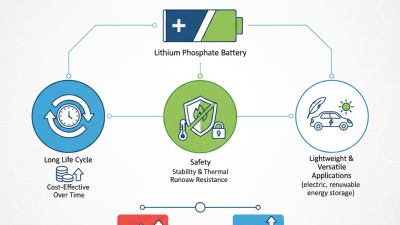
Lithium batteries are becoming increasingly popular in Canada for global sourcing. Their lightweight design and high energy density make them ideal for various applications. Many industries benefit from using these batteries, especially in renewable energy, electric vehicles, and consumer electronics.
One significant advantage of lithium batteries is their longer lifecycle compared to traditional batteries. They can be charged and discharged more times, which reduces waste and improves efficiency. This longevity leads to lower replacement costs and less environmental impact. Many businesses are recognizing these financial and ecological benefits as they adapt to the changing market.
Tips: When sourcing lithium batteries, consider the sourcing company’s quality certifications. Ensure they comply with safety standards. Additionally, evaluate the end-of-life options for these batteries in your sourcing strategy. A sustainable approach can attract environmentally conscious consumers.
Moreover, lithium batteries are versatile. They perform well in extreme temperatures, making them suitable for diverse Canadian climates. However, it's essential to be aware of the potential for thermal runaway in poor-quality batteries. Vigilance is critical in selecting reliable suppliers to avoid such risks.
The Growing Demand for Lithium Batteries in Various Industries
The demand for lithium batteries has been steadily rising across various industries. This surge is driven by the need for efficient energy storage solutions. In sectors like automotive, energy, and consumer electronics, lithium batteries play a crucial role. Their lightweight nature and high energy density make them ideal for electric vehicles and portable devices.
Many businesses are now recognizing the advantages of lithium technology. However, sourcing these batteries responsibly remains a challenge. Companies must navigate supply chain complexities to ensure sustainability. In Canada, advanced manufacturing practices and stringent environmental regulations contribute to the reliability of lithium battery production. This creates opportunities for both local and global sourcing.
Despite the benefits, there are inherent risks in lithium battery adoption. Issues such as resource scarcity and recycling remain. The environmental footprint of lithium extraction also warrants careful consideration. Companies should strive for transparency and innovation in their sourcing strategies to address these concerns while meeting growing market demands.
Global Demand for Lithium Batteries by Industry (2023)
Key Factors in Choosing Lithium Batteries for International Trade
When sourcing lithium batteries in Canada, several key factors come into play.
The primary aspect is environmental considerations. Canada is committed to sustainable practices.
Lithium extraction processes in Canada often adhere to strict environmental regulations. This can result in more
ethically sourced batteries.
Quality and performance are crucial as well. Canadian manufacturers typically maintain
high production standards. However, not all products are equal.
It’s essential to evaluate the specifications and performance metrics.
Battery lifespan and charge cycles
significantly impact a product's value.
Additionally, market stability should be considered. The lithium battery industry can be volatile.
Global demand fluctuates, affecting pricing and availability. Engaging with local experts can provide
valuable insights into market trends. Establishing strong relationships with suppliers is essential
for consistency and reliability.
Environmental Impact and Sustainability of Lithium Battery Production
Lithium batteries are becoming essential for various industries, including electric vehicles and renewable energy storage. The production of these batteries has a significant environmental footprint. Mining lithium can lead to land degradation and water scarcity. Unsustainable practices in this sector raise concerns about long-term viability.
However, Canada is adopting more sustainable approaches. Canadian regulations emphasize eco-friendly mining practices. This includes reducing water use and preventing habitat destruction. Innovative technologies are being developed to minimize waste. Companies are investing in recycling methods, which can extend the life cycle of lithium batteries.
Despite these efforts, challenges remain. The carbon emissions from mining and production are still high. Consumers and manufacturers must work together to push for greener solutions. A balance between demand and environmental responsibility is crucial. As the world shifts towards lithium batteries, the focus on sustainability must persist.
Why Choose Lithium Batteries in Canada for Global Sourcing? - Environmental Impact and Sustainability of Lithium Battery Production
| Dimension |
Data |
| Lithium Battery Lifespan |
8-15 years |
| CO2 Emissions per kWh |
30-100 g CO2 |
| Recyclability Rate |
95% |
| Energy Density |
150-250 Wh/kg |
| Global Demand Growth Rate |
30% annually |
| Lithium Source |
Salt brines, Hard rock |
Comparative Analysis: Lithium Batteries vs. Other Battery Technologies
When evaluating battery technologies, lithium batteries stand out due to their high energy density and longevity. They can store more energy in a smaller size compared to lead-acid or nickel-cadmium batteries. This compact design is ideal for various applications, from electric vehicles to portable electronics. In Canada’s diverse climate, lithium batteries perform consistently across temperatures, while other types may suffer in extreme cold.
However, lithium batteries also have drawbacks. They can be more expensive upfront. Their production involves environmentally sensitive materials, which raises ethical questions. Additionally, while their lifespan is impressive, improper handling can lead to safety concerns like thermal runaway.
In contrast, while lead-acid batteries are cheaper, they are bulkier and less efficient. Nickel-cadmium systems face issues with memory effect, affecting their lifespan. Thus, while lithium batteries may come with challenges, many experts agree their advantages outweigh the downsides, particularly in a rapidly evolving market. Balancing cost, performance, and environmental impact is crucial as Canada expands its battery usage.

 2 Enterprise Lane, Bedford, PA 15522
  (800) 771-7139
  sales@site_040a9139-525b-4487-aedd-8b22114146ed