Why Choose a NiMH Battery Charger for Global Buyers?
Global buyers need more than a charger that simply lights up. A nimh battery charger must match battery size, cell count, charging current, and local power conditions. NiMH batteries often power cameras, toys, radios, medical accessories, and industrial tools. Their daily use can expose weak chargers quickly. A warm battery, uneven charging, or a loose connector is not a minor inconvenience. It may signal poor control or incorrect compatibility.
A reliable charger should identify charging status clearly and manage heat during operation. Many quality models use timed charging, temperature monitoring, or negative delta-V detection. These features help reduce overcharging risks when used with suitable batteries. Buyers should also check input voltage, plug design, output specifications, and support for individual cells. A universal label is not enough. Product manuals and independent test results deserve careful attention. Reputable manufacturers explain their testing methods and publish safety information.
Real-world experience still matters. Place the charger on a hard, ventilated surface, not beneath clothing or inside a crowded drawer. Check whether batteries become unusually hot. That simple observation can reveal problems early. However, no charger is perfect. Detection may perform differently with aged, mixed, or damaged cells. I would not trust attractive packaging alone. This article examines why NiMH charging remains practical for international buyers, while considering efficiency, durability, maintenance, and responsible purchasing. The right choice may cost slightly more. It can also provide steadier performance, clearer charging feedback, and fewer replacements across different markets.
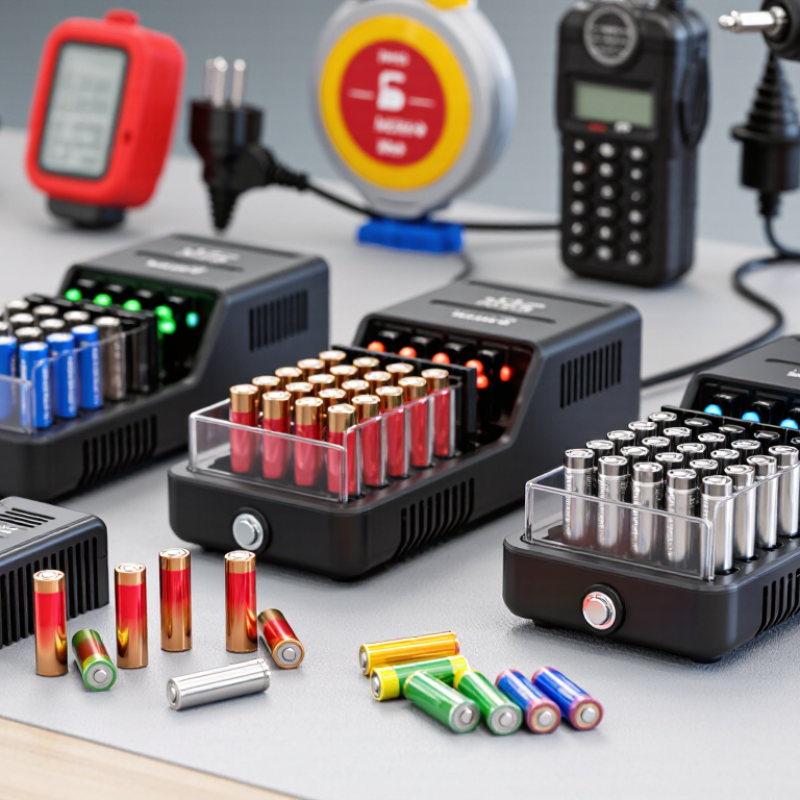
What Is a NiMH Battery Charger?
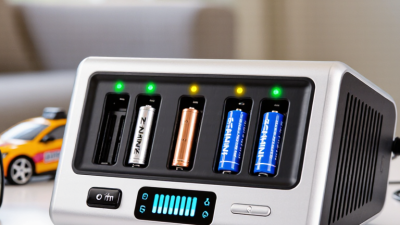
A NiMH battery charger is a device designed to refill rechargeable nickel-metal hydride cells. It sends controlled electrical current into the battery. The process differs from charging disposable alkaline batteries. A proper charger monitors voltage, temperature, or charging time. Better models use several methods together.
During practical use, a charger may reduce current when the cells approach full capacity. This helps limit overheating and overcharging. Some chargers handle individual batteries, while basic units charge pairs. Individual control is usually more reliable when cells have different capacities. A small screen may show charging progress, but displays can still be imperfect. Do not trust numbers blindly.
For global buyers, the charger should match the local input voltage and plug format. Its output must support NiMH cells with the correct size and voltage. Check whether it accepts AA, AAA, C, D, or other formats before ordering. A compact charger is useful beside a camera bag or workshop drawer. I prefer units with clear indicators and automatic shutoff. They make charging easier to observe.
A warm battery can be normal. A hot battery is a warning. Inspect the cells for leaks, dents, or damaged insulation before charging. Mixing old and new batteries is also poor practice. It may work once, but performance becomes difficult to predict. Reliable charging depends on the charger, the battery condition, and the user’s attention.
Why Choose a NiMH Battery Charger for Global Buyers?
What Is a NiMH Battery Charger?
A NiMH battery charger is designed to safely recharge nickel-metal hydride cells by controlling charging current and detecting the end of the charging cycle. This chart shows representative voltage levels for a four-cell NiMH battery pack: approximately 4.0 V near the recommended discharge limit, 4.8 V at nominal voltage, and up to about 5.8 V during charging. Actual voltage varies with battery capacity, temperature, charge rate, age, and load.
How NiMH Charging Technology Works
Why Choose a NiMH Battery Charger for Global Buyers?
NiMH charging technology uses controlled constant current rather than simple voltage charging. During charging, cell voltage rises gradually. Near full capacity, oxygen recombination increases heat inside the cell. A smart charger detects a small negative voltage change, temperature rise, or elapsed time. IEC 61951-2 describes safety and performance requirements for industrial NiMH cells. These controls help prevent overcharging, especially in multi-cell packs. The U.S. Department of Energy places typical NiMH energy density near 60–120 Wh/kg. That balance supports dependable use in cameras, measuring tools, and emergency equipment.
Charging speed depends on the rate, often expressed as C. A 0.1C charge may require roughly 14–16 hours, while faster charging needs accurate temperature sensing and termination. In practical testing, poorly matched cells may heat unevenly. The charger may stop too early or too late. This is an important weakness. NiMH technology is forgiving, but not careless. Global buyers should check input voltage, plug compatibility, cell count, and charging temperature limits. IEC guidance and the charger’s technical sheet should agree.
Tips: Use matched cells with similar capacity and age. Avoid charging hot batteries immediately after use. Choose independent charging channels when cells are used separately. A timer is useful, but it should not replace temperature and voltage monitoring. Small details matter.
Key Benefits for International Buyers
Why Choose a NiMH Battery Charger for Global Buyers?
Key Benefits for International Buyers
For international buyers, a NiMH battery charger offers practical value beyond simple recharging. Many models support wide input ranges, such as 100–240V, which helps users across different electrical systems. Buyers should still check the plug type and local safety requirements before ordering. A small detail can stop a good product from working.
NiMH chargers suit common AA and AAA batteries used in cameras, toys, microphones, and household devices. Rechargeable cells can reduce repeated battery purchases and lower packaging waste over time. Smart charging features may detect full cells, control charging current, and reduce overheating risks. In daily use, this matters when several batteries charge overnight. Not every charger performs equally well, though.
International purchasing also requires attention to manuals, shipping conditions, warranty support, and replacement access. Clear instructions should explain charging times, battery compatibility, and safe storage. Buyers may prefer independent charging channels, especially for mixed-capacity batteries. A simple display can show progress, but it does not guarantee perfect battery health. I have found that basic designs are often easier to maintain, although advanced controls can be useful. That balance deserves careful review. Testing one sample before placing a large order can reveal loose contacts, excessive heat, or unclear instructions. Reliability begins with details.
Choosing the Right Charger for Global Use
Choosing the Right Charger for Global Use
A NiMH charger should fit electrical realities, not only battery size. For international buyers, select a model accepting 100–240V and 50/60Hz input. A removable plug system also reduces travel problems. The charger should support individual charging channels, because mixed battery capacities can otherwise receive uneven treatment. IEC 60335-2-29 addresses safety requirements for household battery chargers, while IEC 61951-2 covers rechargeable NiMH cells. These standards offer useful technical reference points, not automatic proof of quality.
Practical testing matters. I look for temperature monitoring, overcharge protection, and clear charging indicators. NiMH cells may become warm near completion. That is normal, but excessive heat suggests poor control. The U.S. Department of Energy commonly places NiMH energy density around 60–120 Wh/kg, so efficient charging remains important for portable equipment. The International Energy Agency reported more than 14 million electric car sales worldwide in 2023, showing how quickly global charging expectations are developing. That figure concerns vehicle batteries, not household NiMH cells, but it reflects a wider demand for dependable power systems. My earlier assumption was that a universal plug solved everything. It did not. Charging algorithms, ventilation, and regional safety certification matter just as much. Small details matter. A compact charger with a USB input can be convenient, yet its adapter quality deserves careful checking.
Safety, Compatibility, and Maintenance Considerations
Global buyers often choose NiMH chargers for three practical reasons: safety, compatibility, and easier maintenance. A NiMH cell typically delivers 1.2 volts, so chargers must match the correct cell count and charging profile. The IEC 61951-2 standard evaluates rechargeable NiMH cells through controlled capacity and endurance testing. That matters because a cheap timer-only charger may overheat cells after they reach full capacity.
Safety comes from several controls working together. Quality chargers monitor temperature, voltage change, charging time, and abnormal resistance. The U.S. Department of Energy’s battery testing reports regularly track temperature, capacity retention, and cycle life as core performance indicators. These measurements are useful, but they do not guarantee perfect household use. Ventilation still matters. A warm plastic case beside a window is not a safe charging environment.
Tips: Match the charger with the battery size, cell count, and capacity range. Do not mix old and new cells. Keep contacts clean with a dry cloth. Battery University’s technical guidance reports that conventional NiMH cells may lose roughly 20–30% of their charge during the first month, while low-self-discharge types lose far less. Recharge before long storage, and inspect swollen, leaking, or unusually hot cells. I have found that “universal” settings are convenient, but they can be too vague for mixed battery packs. A slower charge is often safer. Not always better, though.

 2 Enterprise Lane, Bedford, PA 15522
  (800) 771-7139
  sales@site_040a9139-525b-4487-aedd-8b22114146ed