Top 10 Construction Machinery Trends You Must Know?
The Construction Machinery industry is evolving rapidly. Innovations are reshaping how projects are executed globally. Understanding the latest trends in construction machinery is essential for industry professionals.
Construction machinery is no longer just about brute strength; it's about efficiency and intelligence. Many companies are adopting advanced technologies, such as automation and data analytics. These trends can lead to better project management and reduced operational costs. However, the adoption of such technologies also raises questions. Are companies prepared for the transition?
Staying updated on these trends is crucial. Equipment that integrates with smart technologies can enhance productivity. Yet, not all equipment is adaptable. Some older machines struggle to keep up. This presents a challenge for construction managers who must balance old and new technologies effectively. The future lies in understanding these dynamics while fostering environments that support innovation and growth.
Emerging Technologies Shaping the Future of Construction Machinery
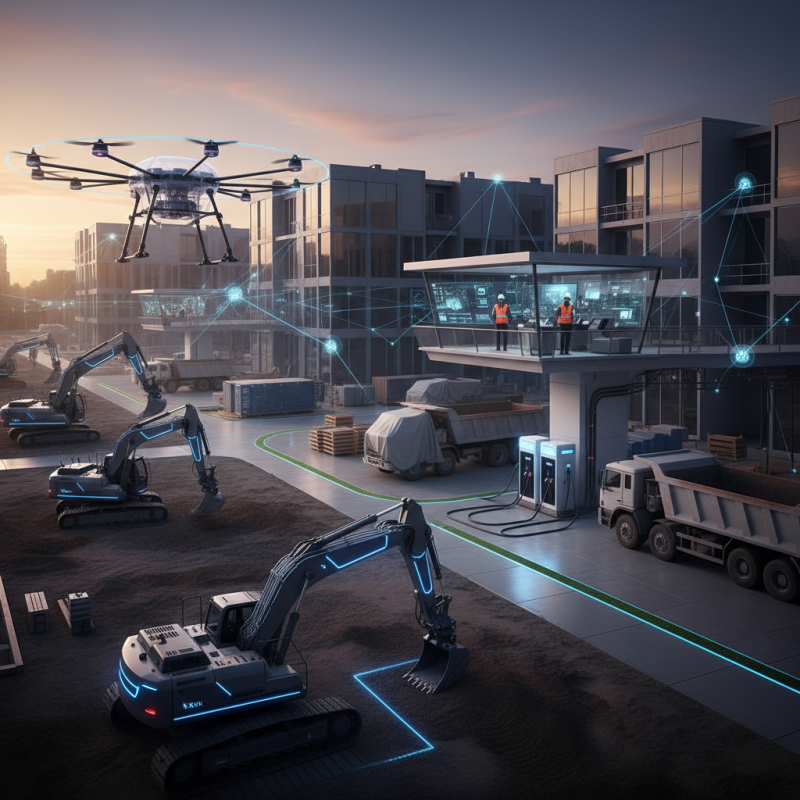
Emerging technologies are fundamentally transforming the construction machinery landscape. Innovations like automation, artificial intelligence, and the Internet of Things (IoT) are driving efficiency and safety. Reports indicate that the global construction equipment market is projected to reach USD 163 billion by 2025, showcasing a rapid growth rate fueled by these technologies.
Automation in machinery is enhancing productivity. For example, autonomous excavators equipped with AI can operate with minimal human intervention. This shift not only reduces labor costs but also minimizes human error. IoT-enabled devices provide real-time data, improving decision-making. According to industry surveys, 54% of construction firms are now integrating IoT technologies to streamline operations.
However, these changes also pose challenges. As machines become more advanced, workforce training becomes essential. Many operators need upskilling to manage these modern systems effectively. Additionally, the initial investment in advanced technology can be significant. Balancing cost with potential ROI remains a critical conversation within the industry. As these trends evolve, staying informed is vital for successful adaptation.
Sustainability and Eco-Friendly Innovations in Heavy Equipment
The construction industry is witnessing a transformative shift towards sustainability. Eco-friendly innovations in Heavy Equipment are becoming vital. Advanced technologies, such aselectric and hybrid machinery, are gaining traction. These machines reduce emissions and promote energy efficiency. Many companies now prioritize using green materials in their equipment production.
Recycling and waste management are also key focuses. Innovative designs allow machinery to be refurbished or recycled easily. However, challenges remain. The initial cost of eco-friendly options can deter some businesses. Many still question the long-term savings versus upfront investments. Balancing performance with sustainability is an ongoing issue.
Collaboration among construction firms, manufacturers, and regulators is essential. Sharing best practices can drive broader adoption of green technologies. Moreover, educating the workforce about sustainable practices is crucial. There is a need for ongoing training in operating and maintaining these new machines.
Automation and Robotics: Revolutionizing the Construction Industry
Automation and robotics are changing how we approach construction. These technologies improve efficiency and reduce human error. Automation can streamline repetitive tasks. It also allows workers to focus on complex issues that need critical thinking.
Robotic systems now can handle heavy lifting, excavation, and even bricklaying. They work alongside human crews, enhancing productivity. However, the integration of robotics raises questions. Are workers prepared for this shift? Upskilling is essential as some jobs may change significantly. Construction managers face challenges in adopting these new methods.
Furthermore, while automation can reduce costs, it can create initial investment hurdles. Companies must evaluate long-term benefits against upfront expenses. As industries evolve, staying ahead means embracing change, but also addressing workforce concerns. The road to automation is not without its bumps.
Digitalization and Smart Machinery in Construction Practices
Digitalization and smart machinery are revolutionizing construction practices. According to a recent report by McKinsey, construction productivity can increase by up to 20-30% through digital solutions. Technologies such as Building Information Modeling (BIM) and Internet of Things (IoT) are becoming commonplace. These tools help in project visualization and real-time monitoring.
However, despite the potential benefits, many firms struggle with implementation. A survey from Deloitte notes that only 10% of companies fully use digital technologies. Barriers often include high costs and resistance to change. Workers may need training to adapt to these new systems, and this transition can be slow.
Data-driven decision-making is critical. Analytics can identify inefficiencies and optimize workflows. Yet, relying solely on data without human insight may lead to errors. The integration of smart machinery should enhance, not replace, human capabilities. Balancing technology with skilled expertise is essential for a successful future in construction.
Trends in Equipment Financing and Ownership Models in Construction
The construction industry is witnessing a shift in equipment financing and ownership models. Organizations are focusing on flexible leasing options. These plans allow companies to access modern machines without the high initial costs. This trend is beneficial for small and medium enterprises that often struggle with limited budgets. A flexible approach can enhance project agility and reduce downtime.
In addition to leasing, new ownership models are emerging. Companies are increasingly considering shared ownership or co-operatives. This strategy spreads the financial burden among several firms, ensuring access to more advanced equipment. However, this model is not without its challenges. Coordination and decision-making can become complex in shared environments.
The rise of technology is also impacting financing decisions. Digital platforms provide real-time data on machinery utilization. This information helps companies make informed financial choices. However, the reliance on technology raises concerns about data security and system reliability. As the market evolves, construction firms must navigate these trends carefully.

 2 Enterprise Lane, Bedford, PA 15522
  (800) 771-7139
  sales@site_040a9139-525b-4487-aedd-8b22114146ed