Top 10 Tips for Choosing the Right DC Charging Connector?
Choosing the right Dc Charging Connector is crucial for your electric vehicle (EV) charging needs. With many options available, it can be overwhelming to make a decision. Understanding the types and specifications can simplify this process.
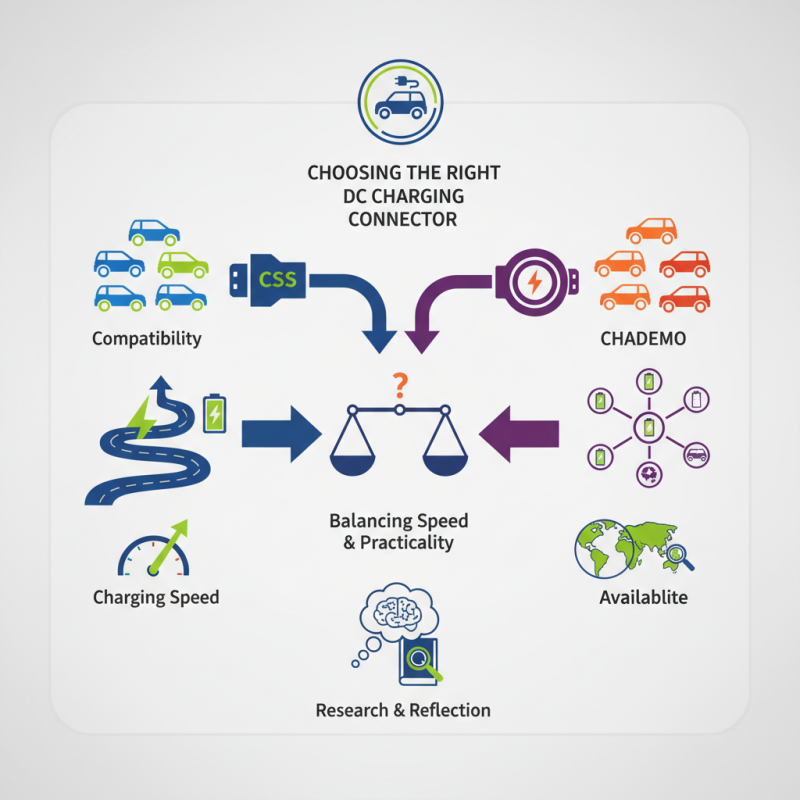
Each DC Charging Connector has its strengths and limitations. For instance, CCS and CHAdeMO are popular options, but they serve different vehicle models. It’s essential to consider compatibility with your EV. Many users overlook this detail and face inconvenient charging situations.
Furthermore, the charging speed and efficiency of each connector can vary significantly. Some connectors may offer faster charging but may not be widely available. Assess your charging habits and location accessibility. Balancing speed with practical availability is key. Therefore, take your time to research and reflect on what best suits your lifestyle.
Understanding Different Types of DC Charging Connectors
When exploring the realm of DC charging connectors, understanding the different types is essential. These connectors play a significant role in the efficiency of electric vehicle charging. For instance, according to a report by the International Energy Agency (IEA), over 80% of EV owners prefer using fast-charging stations, which often rely on specific connector types.
The CCS (Combined Charging System) is favored in many regions for its ability to handle high power rates. In contrast, CHAdeMO is known for its robust performance but lacks the widespread availability of CCS. Data shows that in 2022, CCS connectors accounted for about 65% of the global DC charger market share, while CHAdeMO represented only 23%. This disparity highlights the importance of choosing the right connector based on regional availability and compatibility.
Another type to consider is the Tesla connector, which offers a high charging speed but is exclusive to Tesla vehicles. This can create limitations for those who may switch brands in the future. Flexibility is key. As the EV market grows, compatibility between connectors will become increasingly vital. Reliable data in this sector helps users navigate these choices effectively. Understanding these nuances ensures that electric vehicle owners can optimize their charging experience.
Assessing Compatibility with Electric Vehicle Models
When selecting a DC charging connector, it's important to assess compatibility with your electric vehicle (EV) model. Each EV model may require a specific type of connector. Understanding these requirements can prevent frustration during your charging experience. Not all chargers are created equal. Different regions may use varied standards, which adds complexity.
Consider the specifications of your vehicle. Research the connector type that your model uses. For example, some vehicles might work with CCS connectors while others may use CHAdeMO. It is crucial to verify this before purchasing any charging equipment. A mismatch can lead to additional costs or delays. It’s also worth noting that future advancements in EV technology could lead to new standards. Remaining informed is essential.
Compatibility checks can sometimes seem daunting. Some users have encountered challenges when finding the right connector. Numbers and details can get overwhelming. Consulting a professional can clarify specifications. Engaging in online forums might provide insights from experienced users. This shared experience can be invaluable in navigating your choices for the appropriate DC charging connector.
Top 10 Tips for Choosing the Right DC Charging Connector
| Tip Number | Tip Description | Compatible EV Models | Connector Type |
| 1 | Check the charging speed requirements of your EV. | Model A, Model B, Model C | Type 2 |
| 2 | Ensure the connector is compatible with your EV's onboard charger. | Model D, Model E | CCS1 |
| 3 | Consider future-proofing for upcoming EV models. | Model F, Model G | CCS2 |
| 4 | Evaluate the availability of charging stations that use the connector type. | Model H, Model I | CHAdeMO |
| 5 | Check local regulations and standards regarding connectors. | Model J | SAE J1772 |
| 6 | Research the efficiency of different connector types. | Model K | Type 3 |
| 7 | Evaluate the durability of the connectors available. | Model L | DC Fast Charging |
| 8 | Consider user reviews and experiences with various connectors. | Model M | Tesla Supercharger |
| 9 | Discuss with EV owners about practical usage of different types. | Model N | Hybrid Connector |
| 10 | Factor in the cost and availability of charging equipment. | Model O | Universal Connector |
Evaluating Charging Speed and Power Output Requirements
When choosing a DC charging connector, evaluating charging speed and power output is crucial. Different connectors offer varying specifications, affecting how quickly you can charge your electric vehicle. Higher power output connectors result in faster charging times, which can significantly enhance user experience and convenience.
Consider the kilowatt (kW) capacity. This metric indicates how much power a connector can deliver. Many electric vehicles have specific requirements. Make sure that the connector you choose can meet or exceed these requirements. Not all connectors are equal. Some may underperform or cause extended charging times.
Look into compatibility issues too. You may discover that some connectors work better with certain vehicle models. Read reviews and seek expert opinions to narrow down your options. While it’s tempting to pick the most powerful connector available, it may not be necessary for your needs. Balance cost, speed, and compatibility for the best decision.
Considering Safety Standards and Regulations for Connectors
When selecting DC charging connectors, safety standards and regulations are crucial. These regulations ensure the safe operation of chargers in various environments. The IEC 62196 standard is one of the most widely recognized. It offers guidelines for the design and performance of connectors. Compliance with these guidelines can prevent electrical hazards and promote safe usage among consumers.
In 2021, the global electric vehicle market saw significant growth, with sales surpassing 6.6 million units. This increase highlights the importance of reliable charging solutions. According to the International Energy Agency, installations of new public charging points grew by 45% in the same year. As demand rises, so does the need for connectors that meet stringent safety criteria. Choosing connectors that adhere to local and international safety standards is essential for manufacturers and users alike.
Inadequate attention to safety can lead to failures. At times, connectors may overheat due to poor design or materials. Real-world incidents have shown that non-compliant devices can cause fires or electrical failures. Evaluating connectors based on safety performance data is critical. Reports indicate that products failing to meet safety standards are often the cause of serious hazards. Ensuring compliance with safety regulations protects both users and the environment.
Top 10 Tips for Choosing the Right DC Charging Connector
This chart illustrates the importance of various factors to consider when selecting a DC charging connector, based on safety standards and regulations.
Exploring Future Trends in DC Charging Technology
The future of DC charging technology is evolving rapidly. Innovations are emerging to enhance efficiency and user experience. With electric vehicle (EV) adoption on the rise, understanding these trends becomes crucial.
Wireless charging is gaining traction. This technology eliminates the need for physical connectors. Imagine simply parking your EV and the battery begins charging automatically. This convenience could redefine how we think about refueling. However, significant implementation hurdles remain, such as cost and infrastructure requirements.
Battery technology is also advancing. Solid-state batteries promise greater energy density and shorter charging times. They reduce safety risks associated with traditional lithium-ion batteries. Yet, these technologies are still in their infancy. The transition may be slower than some anticipate. Users must be patient as industry players navigate these challenges.
Overall, staying informed on these developments will be essential for those involved in the EV market.

 2 Enterprise Lane, Bedford, PA 15522
  (800) 771-7139
  sales@site_040a9139-525b-4487-aedd-8b22114146ed