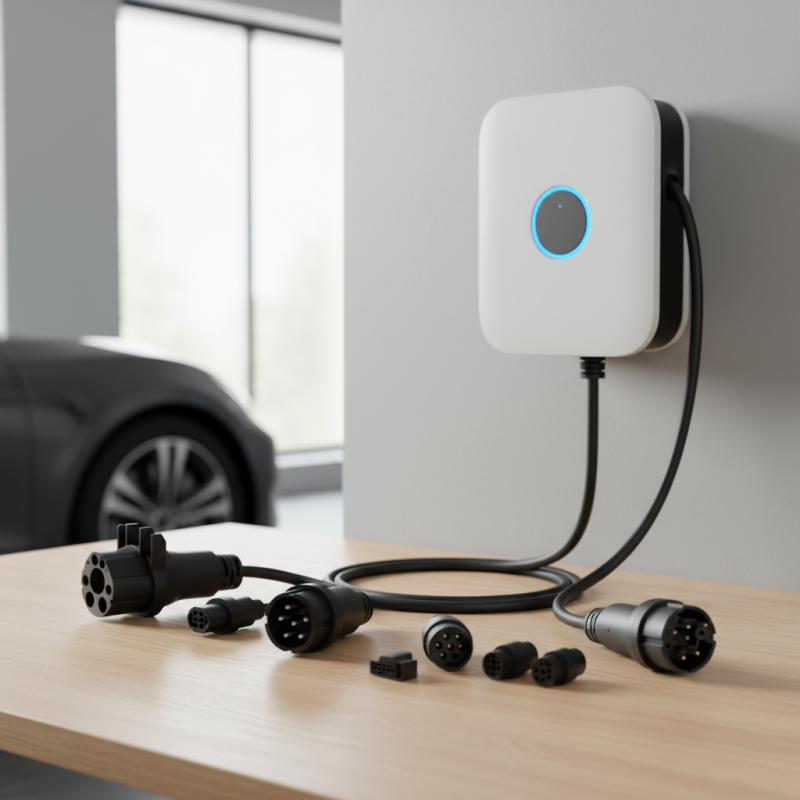
Top Tips for Choosing an EV Charger Wall Plug?
Choosing the right Ev Charger Wall Plug can be overwhelming. With various options on the market, making a smart choice is crucial. Different plugs vary in efficiency and compatibility. A good plug ensures fast charging and a longer battery life.
Consider your vehicle's requirements. Each model may need specific features. You might favor convenience over cost. However, it is essential not to overlook quality. A cheap plug may save you money now but cost more later through inefficiency.
Pay attention to installation and ease of use. Some chargers require professional installation, while others are more straightforward. It's vital to reflect on your charging habits. Will you charge overnight or during the day? These details impact your decision significantly. A thoughtful choice can enhance your EV experience.
Understanding the Different Types of EV Chargers Available
When choosing an EV charger, understanding the different types is key. There are three main categories: Level 1, Level 2, and DC fast chargers. Level 1 chargers use standard household outlets. They are easy to install and often built into homes. However, they provide slower charging, averaging 3-5 miles of range per hour. This may not be sufficient for daily users with longer drives.
Level 2 chargers are the most common for home and commercial use. They often require professional installation. They charge vehicles much faster, typically delivering 10-60 miles of range per hour. According to the U.S. Department of Energy, about 80% of EV owners prefer Level 2 chargers for daily use. Yet, while more efficient, these can be more costly to install and may not be suitable for all locations.
DC fast chargers are designed for quick charging on the go. They can refill an EV’s battery to 80% in just 30 minutes. However, they are usually found in public charging stations and may not be available at all times. Importantly, they also come with higher installation and usage fees. The variety of chargers presents a challenge. Each type has unique benefits and drawbacks, requiring careful consideration of your needs and environment.
Assessing Your Home's Electrical Capacity for EV Charging
When choosing an EV charger wall plug, assessing your home's electrical capacity is crucial. A standard home can accommodate different charging speeds, but not all homes are equal. Check your electrical panel to determine its amperage. Many homes have a 100-amp or 200-amp panel, but older homes may have less. An outdated panel may not support the higher amperage needed for faster charging.
Understanding your home's wiring is just as important. If your wiring is older, it may not handle the load safely. Upgrading the wiring can be costly, but it might be necessary. Consider bringing in an electrician to evaluate your system. It’s essential to ensure the wiring meets current safety standards. Ignoring this step could lead to inefficiencies or even hazards.
Don’t forget the outlet types as well. Some chargers require specific outlet configurations. Installing a new outlet requires careful thought too. You may think it’s a simple job, but it can become complicated. A professional consultation can help you avoid mistakes. Always prioritize safety and efficiency in your home’s electrical upgrades.
Key Features to Look for in an EV Charger Wall Plug
When choosing an EV charger wall plug, there are key features to consider. Charging speed is vital. A Level 2 charger typically offers 20 to 60 miles of range per hour. According to the U.S. Department of Energy, most EV owners benefit from faster charging options at home. This reduces downtime significantly.
Safety features are equally important. Look for options with built-in overload protection and GFCI features. These protect against electrical faults and ensure safe operation. The National Fire Protection Association recommends chargers that meet specific safety standards. Such chargers can prevent overheating and short circuits, ensuring peace of mind during charging.
Portability can also be a factor. Some users prefer lightweight, compact chargers for flexibility. When evaluating design, consider the ease of installation. A complicated setup may lead to frustration. According to surveys, inefficient installations can result in up to 30% of users choosing professional help, raising costs. Ultimately, balancing features and usability is essential for a satisfying EV charging experience.
Evaluating the Charging Speed and Power Levels of EV Chargers
When choosing an EV charger wall plug, understanding charging speed and power levels is crucial. Charging speed primarily depends on the power output of the charger. For instance, Level 1 chargers deliver about 1.4 kW, which can take a long time to fully charge a vehicle. In contrast, Level 2 chargers offer between 3.7 kW and 22 kW, significantly reducing charging time. If you frequently use your vehicle for long distances, opt for a higher power level to ensure efficiency.
It's important to consider your specific needs when evaluating chargers. Different vehicles have varying acceptance rates; some might charge faster than others. A charger with higher power may not yield immediate benefits if your car cannot utilize it fully. Additionally, installation costs can vary based on power levels and the electrical capacity of your home. This means you should also reflect on the existing setup and potential upgrades. Striking a balance between power, cost, and your charging habits will lead to a satisfactory EV charging experience.
EV Charger Charging Speed and Power Levels
Installing and Maintaining Your EV Charger Wall Plug for Longevity
When it comes to installing your EV charger wall plug, a few key points can help ensure longevity. Choose a location that is both convenient and safe. Avoid areas where water can accumulate. Proper ventilation is essential. If potential exposure to extreme weather is a concern, consider weatherproofing options. This extra care can prevent damage over time.
Maintenance should not be overlooked. Regularly check for loose connections. Inspect the charging cable for any signs of wear. Cleaning the plug and outlet is also advisable; dirt can hinder performance. If you notice anything unusual, addressing it sooner rather than later is crucial.
Many users forget that using lower-quality adapters can lead to issues. It might seem cost-effective at first, but it often results in more significant long-term problems. Keep a close eye on your charger’s efficiency. Establish a reminder to schedule periodic check-ups. Small oversights now can lead to larger headaches later, so stay proactive in your maintenance routine.

 2 Enterprise Lane, Bedford, PA 15522
  (800) 771-7139
  sales@site_040a9139-525b-4487-aedd-8b22114146ed