Top Lithium Phosphate Battery Benefits for Modern Energy Solutions?
In today's rapidly evolving energy landscape, the demand for efficient and sustainable solutions has grown significantly. The lithium phosphate battery stands out among various technologies. Its benefits are crucial for modern applications. This battery type offers remarkable safety features, making it a preferred choice for many users.
Lithium phosphate batteries are known for their long cycle life. They can endure numerous charge and discharge cycles without significant capacity loss. This longevity is important for industries seeking reliability. Moreover, these batteries hold a high thermal stability. They are less likely to overheat or catch fire compared to other types.
However, challenges remain. The higher initial cost can deter some consumers. Additionally, while performance is commendable, there is a need for better efficiency in certain environments. Balancing cost with technological advancement requires careful consideration. Overall, lithium phosphate batteries represent a promising avenue in energy storage. Their continued development is essential for a sustainable future.

Key Characteristics of Lithium Phosphate Batteries
Lithium phosphate batteries are gaining popularity in modern energy solutions due to their unique characteristics. They offer safety, thermal stability, and longevity, making them suitable for various applications. According to a recent report by BloombergNEF, these batteries can maintain over 80% of their capacity after 3,000 charge cycles. This makes them ideal for electric vehicles and renewable energy storage.
One critical feature is their superior thermal stability. These batteries are less prone to overheating, which lowers the risk of fires. This aspect is essential, especially as energy demands increase. Research from the International Energy Agency (IEA) indicates that lithium phosphate batteries can operate at temperatures ranging from -20°C to 60°C. However, it's worth considering that while these batteries are safer, their lower energy density compared to other lithium-ion options limits some applications.
Additionally, the environmental impact of production must be addressed. The extraction of lithium can lead to ecological challenges. While lithium phosphate batteries are generally more sustainable, further development in recycling technologies is necessary. Enhancing these processes could mitigate potential environmental concerns associated with battery waste.
Top Lithium Phosphate Battery Benefits for Modern Energy Solutions
| Characteristic |
Description |
| High Energy Density |
Offers higher energy capacity compared to traditional lead-acid batteries. |
| Long Cycle Life |
Can endure thousands of charge and discharge cycles, enhancing lifespan. |
| Safety Features |
Less prone to overheating and stable chemical properties help minimize fire risks. |
| Fast Charging |
Facilitates quicker recharging times with high rate performance. |
| Low Environmental Impact |
Composed of non-toxic materials, making them eco-friendly alternatives. |
| Temperature Stability |
Performs well in a wide range of temperatures, maintaining efficiency. |
Advantages of Lithium Phosphate Batteries for Energy Storage
Lithium phosphate batteries, particularly LiFePO4 types, have gained traction in energy storage solutions. Their thermal stability stands out significantly. Studies show they can withstand up to 1,200 cycles with minimal degradation. This translates into longer-lasting energy solutions, making them appealing for various industries.
Their eco-friendliness is also noteworthy. Unlike other battery types, lithium phosphate batteries use less toxic materials. They achieve 90% efficiency in energy conversion. This efficiency means that more energy gets used, reducing waste significantly. Additionally, the lifecycle of these batteries supports sustainability. According to a recent study, the circular economy benefits from recycling rates hitting over 90% for lithium phosphate batteries.
However, challenges remain. Their energy density is lower compared to lithium-ion batteries. This can result in larger and heavier battery packs for the same amount of stored energy. This reality requires careful consideration in applications needing portability. Designing systems that integrate these batteries effectively requires a balance of size and efficiency. Insights from industry reports suggest a growing market share for lithium phosphate batteries, hinting at evolving technologies that could address these limitations.
Applications of Lithium Phosphate Batteries in Renewable Energy
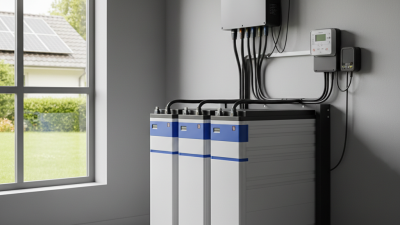
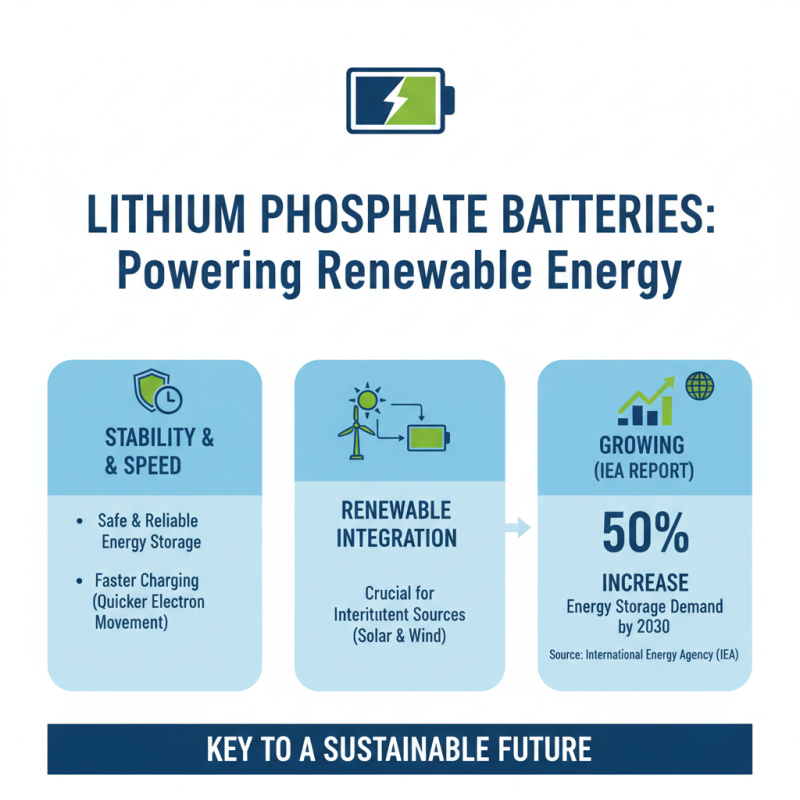
Lithium phosphate batteries, known for their stability, are gaining traction in renewable energy sectors. Their structure allows for quicker electron movement, leading to faster charging times. This is crucial for integrating renewable energy sources like solar and wind, which can be intermittent. According to a recent report by the International Energy Agency (IEA), the demand for energy storage systems could rise by 50% by 2030. This trend underlines the growing importance of lithium phosphate batteries.
In applications such as solar energy storage, these batteries excel. Their lifespan can reach over 2000 charge cycles, making them a practical choice for homeowners and businesses alike. Additionally, they operate efficiently in various temperature conditions, ensuring reliability. However, the cost is still a consideration. Some users have reported that the initial investment can be significant, questioning their long-term financial viability. The technology is evolving, and there are ongoing discussions about how to make production more cost-effective.
Moreover, safety is a concern. While lithium phosphate batteries are less prone to overheating, they still require proper management systems. The need for monitoring is essential to maximize their potential in renewable energy setups. As the industry pushes forward, addressing these challenges will be critical for wider adoption. Creative solutions and more robust infrastructure are needed to fully unlock the benefits of lithium phosphate batteries.
Comparative Analysis with Other Battery Technologies
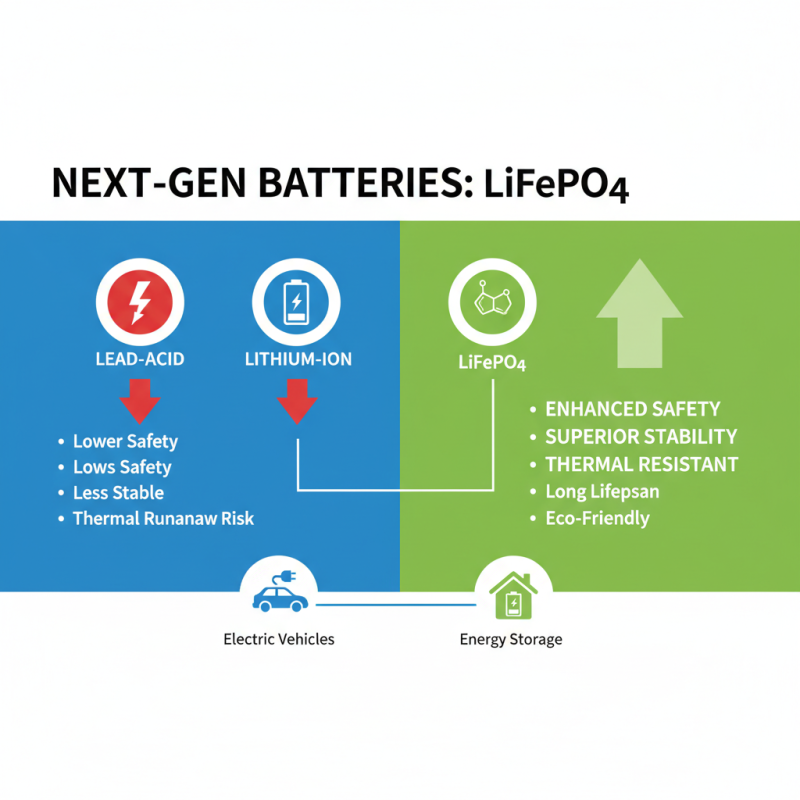
Lithium phosphate batteries have gained attention for their unique benefits in today's energy landscape. When compared with lithium-ion and lead-acid batteries, they offer enhanced safety and stability. The thermal stability of lithium phosphate makes it less prone to overheating. This feature is crucial for applications in electric vehicles or energy storage systems.
While the energy density of lithium phosphate batteries is lower than that of lithium-ion types, their lifespan is significantly longer. They often last 2,000 to 3,000 charge cycles, far surpassing many alternatives. This longevity means fewer replacements and reduced costs over time. However, one must consider the initial investment, as these batteries tend to be more expensive upfront.
**Tips:** When selecting a battery, think about its intended use. If safety and longevity are priorities, lithium phosphate is a strong contender. But if space is at a premium, you might still prefer lithium-ion. Always analyze specific needs before making a choice. This will help you avoid regret later. Always remember, the best solution often varies per situation.
Future Prospects of Lithium Phosphate Batteries in Modern Energy Solutions
Lithium phosphate batteries are gaining attention in modern energy solutions. Their chemistry provides a safer alternative to traditional lithium-ion batteries. The thermal stability of lithium iron phosphate is a significant advantage. It reduces the risk of overheating and fires, making it safer for various applications. Reports suggest that these batteries can maintain up to 90% capacity after 2000 cycles, signifying longevity.
Looking ahead, the market for lithium phosphate batteries is expanding. According to industry data, the global demand is projected to rise significantly, reaching a value of over $10 billion by 2027. This growth is influenced by the increasing need for renewable energy storage. As more systems like solar and wind power emerge, efficient storage solutions are critical. Yet, challenges remain. Production costs can be high, impacting adoption rates. Moreover, the recycling of these batteries poses environmental concerns that need addressing.
Investors are closely monitoring the advancements in this field. Despite some obstacles, the potential for innovation is vast. More research is needed to improve manufacturing processes. As the technology evolves, we may see novel solutions that mitigate current imperfections. The future of lithium phosphate batteries may reshape the energy landscape, but it is not without its hurdles.

 2 Enterprise Lane, Bedford, PA 15522
  (800) 771-7139
  sales@site_040a9139-525b-4487-aedd-8b22114146ed