Top 10 Benefits of Lithium Batteries for Everyday Use
Lithium batteries have transformed the way we power our daily lives. As we dive into their numerous benefits, we should consider insights from Dr. Emily Carter, a leading expert in battery technology. She states, "Lithium batteries are not just a trend; they are shaping our energy future."
One of the most significant advantages of lithium batteries is their longevity. They outlast traditional batteries, saving money over time. Their lightweight design makes them ideal for portable devices like smartphones, laptops, and electric vehicles. Additionally, they charge quickly, providing convenience for users.
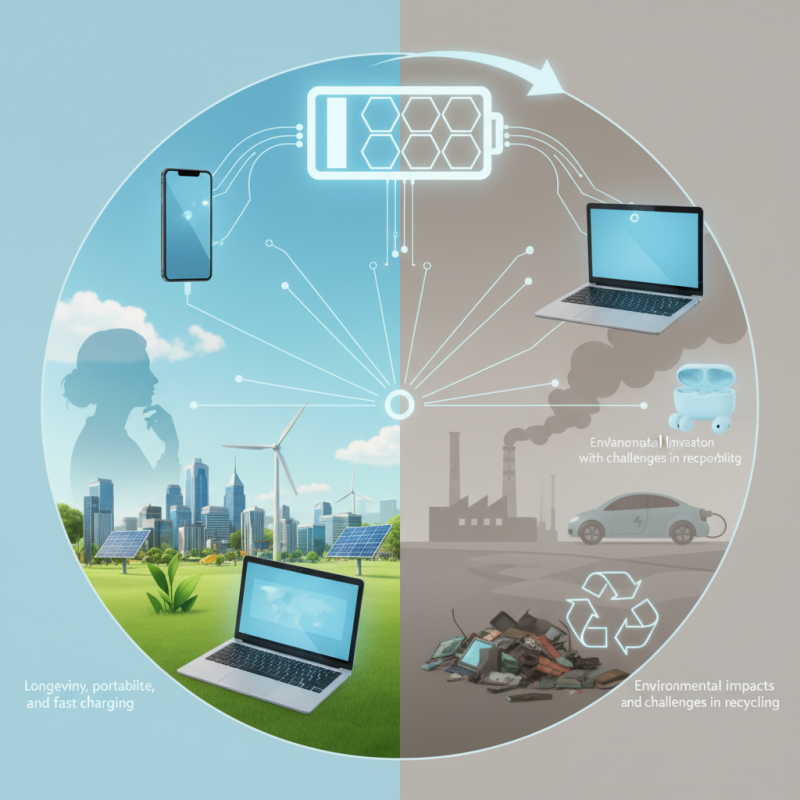
However, it's crucial to reflect on some drawbacks. The production of lithium batteries can have environmental impacts. Toxic materials are often involved, and recycling methods still need improvement. Understanding these factors is essential to ensure that the benefits outweigh potential harm. Balancing innovation with responsibility is the way forward in the lithium battery industry.
Advantages of Lithium Batteries Over Traditional Batteries
Lithium batteries have revolutionized energy storage, providing significant advantages over traditional batteries. One notable benefit is their energy density. Lithium batteries can store more energy in a smaller space. For instance, they deliver up to three times the energy density of nickel-cadmium batteries. This means longer usage times and less frequent recharging. They weigh less too, making them ideal for portable devices.
Another crucial advantage is their lifespan. Lithium batteries typically last up to 2,000 charge cycles. In contrast, traditional batteries often fail after just 500 cycles. This longevity translates to less waste, a vital consideration as environmental concerns grow. However, the production of lithium batteries raises questions about resource extraction and sustainability.
Safety is an important factor as well. Lithium batteries incorporate safety features that help prevent overheating and fires. Nonetheless, there have been incidents of battery failures, highlighting the need for rigorous quality checks. It's clear that while lithium batteries provide numerous benefits, ongoing improvements are necessary to address these challenges. The industry must focus on enhancing battery safety and sustainability.
Longer Lifespan: How Lithium Batteries Outlast Other Types
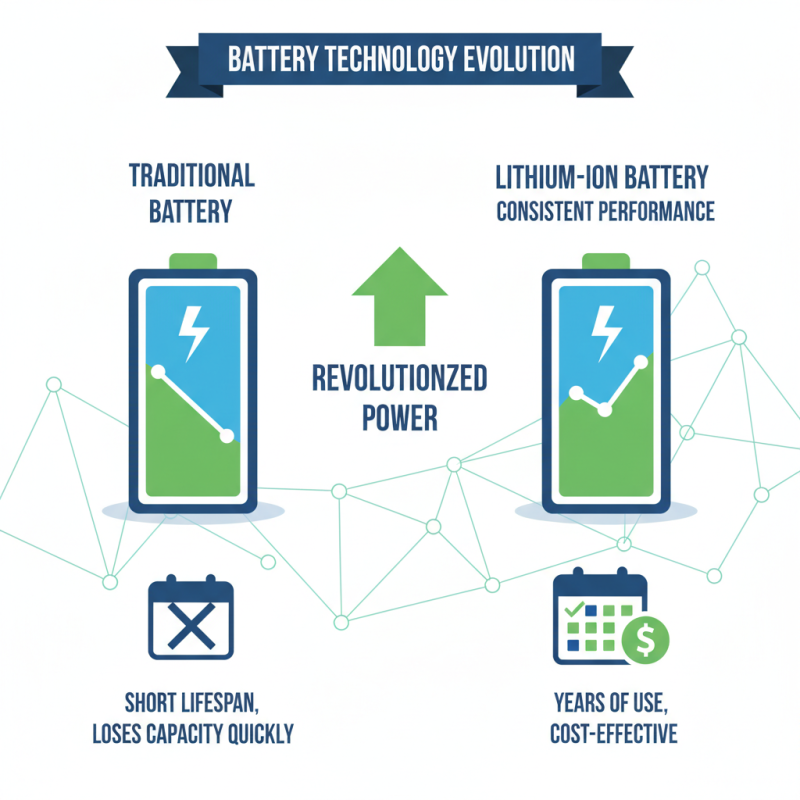
Lithium batteries have revolutionized the way we power daily devices. One major advantage is their longer lifespan compared to other battery types. Traditional batteries often lose their capacity quickly. In contrast, lithium batteries perform well even after numerous charge cycles. Many can last for several years, making them a cost-effective choice for users.
Another interesting aspect is their lightweight nature. This allows for more portable designs in devices. However, this convenience comes with a price. Users must be cautious about overheating issues. People should also consider disposal methods, as lithium batteries require special handling.
Regular maintenance can extend battery life even further. Users should avoid extreme temperatures, as they can affect performance. Charging practices also play a role. It’s often better to keep lithium batteries partially charged rather than fully charged or drained. These habits can ensure that your devices run efficiently for longer periods.
Lightweight and Portable: The Benefits for Everyday Devices
Lithium batteries have transformed the landscape of everyday devices. Their lightweight and portable nature make them ideal for gadgets we carry daily. According to a report from the International Energy Agency, lithium batteries can be up to 70% lighter than traditional batteries, making them easy to handle. This reduction in weight is especially beneficial for devices like smartphones, laptops, and even electric travel options.
In addition to being lightweight, lithium batteries offer impressive energy density. They can store more energy in a compact size. Research indicates that lithium batteries can achieve specific energy values of approximately 250 Wh/kg or higher. This means users experience longer battery life, allowing devices to run smoothly without frequent recharging. However, the production process of these batteries can be concerning. Mining lithium often involves environmental challenges that require careful consideration.
While lithium batteries outperform many alternatives, tackling the recycling process remains essential. Currently, only about 5% of lithium batteries are recycled properly, leading to waste and resource depletion. Innovations in battery recycling are needed to improve this statistic. Emphasizing these benefits and challenges can direct attention to building a more sustainable future.
Top 10 Benefits of Lithium Batteries for Everyday Use
Faster Charging Times: Efficiency in Daily Usage
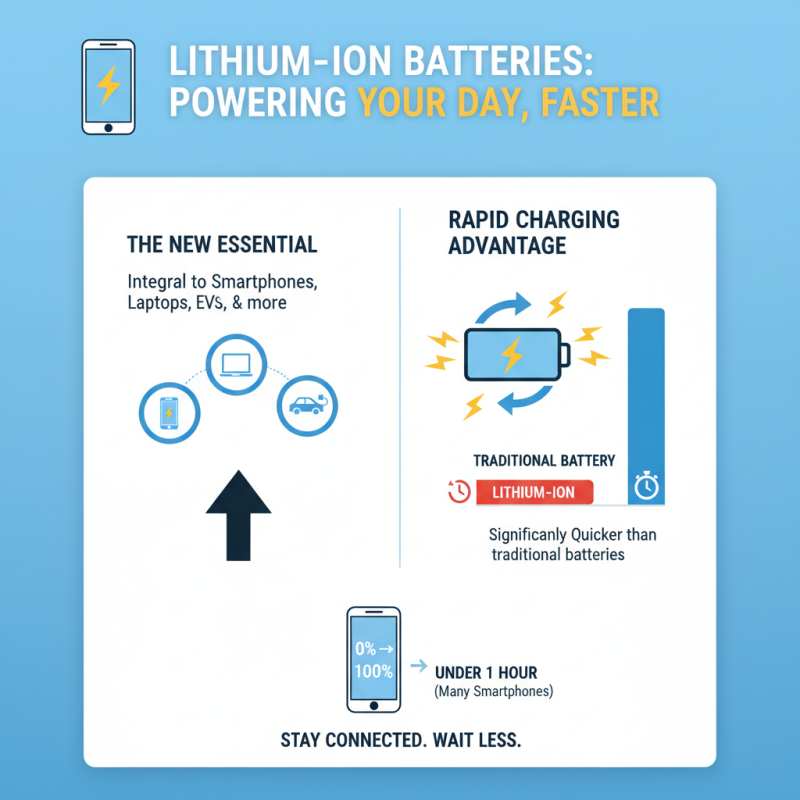
Lithium batteries are becoming essential in our daily lives. One major advantage is their faster charging times. Unlike traditional batteries, lithium batteries can charge significantly quicker. This efficiency helps people stay connected without long waits. For instance, many smartphones now can reach full charge in under an hour.
Tips: If you want to maximize battery life, avoid letting the charge drop to zero. Regularly charging your device helps maintain its health.
Another detail to consider is heat generation. While lithium batteries charge quickly, they can heat up. This heat can affect battery lifespan. Ensure your device has proper ventilation during charging.
Tips: Keep your devices out of direct sunlight while charging. This small step can make a difference. It’s easy to overlook, but it can extend battery performance.
Environmental Impact: The Role of Lithium Batteries in Sustainability
Lithium batteries are crucial in promoting sustainability. They have a smaller carbon footprint than traditional lead-acid batteries. According to a report by the International Energy Agency, lithium-ion batteries can reduce greenhouse gas emissions by up to 60% over their lifecycle. This dramatic decrease underscores their role in green energy solutions.
Their impact on the environment is not without challenges. The extraction of lithium can lead to water scarcity in some regions. A study from the University of California suggests that lithium mining in certain areas affects local ecosystems and communities. This paradox highlights the need for responsible sourcing practices.
Recycling lithium batteries also plays a vital role. Proper recycling can reclaim up to 95% of the lithium, cobalt, and nickel used. The U.S. Department of Energy indicates that well-managed recycling could prevent 1.3 million tons of CO2 emissions annually. While lithium batteries offer significant benefits, we must address ethical and environmental concerns in their production and disposal. Balancing innovation and responsibility is key in the future of sustainable energy.
Top 10 Benefits of Lithium Batteries for Everyday Use - Environmental Impact: The Role of Lithium Batteries in Sustainability
| Benefit |
Description |
Environmental Impact |
Lifecycle |
| High Energy Density |
Lithium batteries store a high amount of energy in a compact space. |
Reduced need for larger batteries, minimizing resource use. |
Long cycle life, up to 2000 charge cycles. |
| Low Self-Discharge Rate |
Retains charge longer when not in use. |
Less frequent charging means lower energy consumption. |
Maintains performance over years. |
| Temperature Resistant |
Operates effectively in a range of temperatures. |
Greater versatility in applications, reducing waste. |
Durable performance lifespan. |
| Fast Charging |
Can be charged quickly compared to other battery types. |
Higher efficiency reduces overall energy use. |
Endurance of high-speed charging capabilities. |
| Lightweight |
Lighter than traditional batteries. |
Reduced material requirement for transport. |
Long-lasting usability enhances efficiency. |
| No Memory Effect |
Can be recharged anytime without capacity loss. |
Enhances battery lifespan, reducing waste. |
Optimal up to 80% of capacity. |
| Recyclable |
Materials can be recycled and reused. |
Contributes to sustainability through resource recovery. |
Supports circular economy practices. |
| Versatility |
Used in various applications from electronics to vehicles. |
Broadens sustainable technology spectrum. |
Long-term use across diverse fields. |
| Low Emission |
Produces less greenhouse gas emissions compared to fossil fuels. |
Supports efforts to combat climate change. |
Sustainable energy transition is viable. |

 2 Enterprise Lane, Bedford, PA 15522
  (800) 771-7139
  sales@site_040a9139-525b-4487-aedd-8b22114146ed