What Are the 2026 Top LiFePO4 Battery Types in Canada?

Canada’s energy needs are changing quickly, from northern cabins to urban backup systems. In 2026, LiFePO4 batteries may become a practical choice for safer, longer-lasting storage. However, the best option depends on temperature, load demand, installation space, and maintenance access.

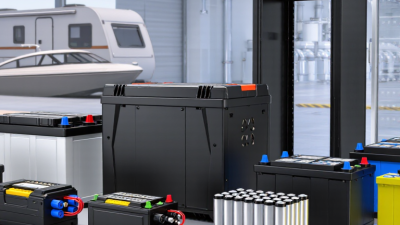
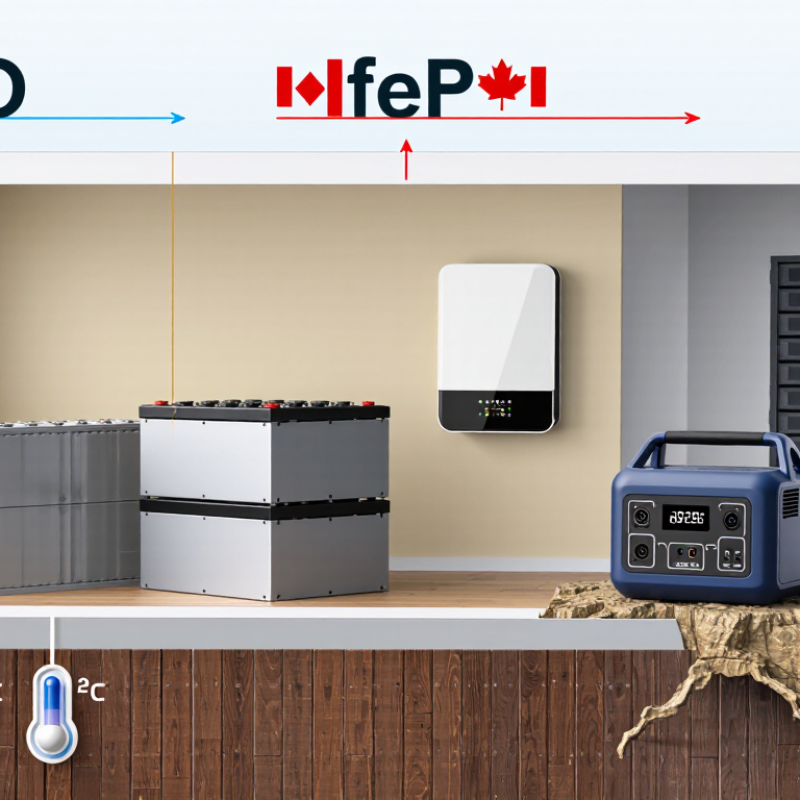
This guide examines the leading lifepo4 battery canada types expected to attract attention. These include prismatic cells, cylindrical packs, wall-mounted home batteries, portable power stations, and modular rack systems. Each design has a different purpose. A compact cylindrical pack might suit a camper, while a rack battery can support solar storage in a detached garage.

Canadian conditions deserve careful attention. A battery rated for mild weather may perform differently at -20°C. Integrated heating, low-temperature charging protection, and a reliable battery management system can matter more than advertised capacity. Look for clear datasheets, tested cycle-life figures, warranty terms, and recognized safety certifications.

Real-world experience also reveals limitations. A large battery is not automatically better. It may need more space, stronger wiring, and professional installation. Some online listings provide impressive numbers but little evidence. That should invite caution.

No single ranking is perfect. Product availability, provincial incentives, and manufacturer support can change during 2026. This overview therefore compares battery types through practical criteria, not marketing language. It aims to help homeowners, RV users, installers, and off-grid buyers make informed decisions. Check every specification carefully. Small details often decide whether a battery performs reliably through a Canadian winter.
What Are the 2026 Top LiFePO4 Battery Types in Canada?

LiFePO4 Battery Technology and Its Role in Canada’s Energy Market

In Canada’s 2026 energy market, LiFePO4 batteries are moving beyond simple household backup systems. Their strong thermal stability, long cycle life, and lower fire risk support homes, farms, and commercial sites. The leading formats include prismatic cells, cylindrical cells, and complete modular storage cabinets. Each type serves a different installation.

Prismatic LiFePO4 batteries provide efficient space use and simpler cabinet design. They suit residential storage and small solar systems. Cylindrical cells offer flexible manufacturing and strong mechanical consistency. They often appear in portable power equipment and compact systems. Rack-mounted modules are gaining attention in Canadian businesses. Technicians can expand these systems as electricity demand changes. That flexibility matters during winter peaks.

Cold weather remains a serious design issue. LiFePO4 batteries can lose charging performance below freezing. Systems therefore need insulated enclosures, battery heating, and carefully configured charging controls. High-voltage modules may improve efficiency in larger buildings, while low-voltage units remain practical for homes. Installation records, warranty terms, and independent safety testing deserve close review. A low price can hide weak thermal management. It happens.

Real-world performance also depends on wiring, ventilation, monitoring, and maintenance. I would not choose a battery type from capacity alone. Canadian users should compare usable energy, cold-start behavior, replacement access, and recycling arrangements. Even advanced technology has limits. Grid rules and regional incentives can change the best choice.


What Are the 2026 Top LiFePO4 Battery Types in Canada?

Prismatic, cylindrical, and pouch LiFePO4 cells are the main battery formats used in Canadian energy storage, backup power, recreational vehicles, and electric mobility applications. Prismatic cells are widely suited to stationary storage because of their efficient packaging and robust construction, while cylindrical and pouch cells can offer design flexibility for portable and vehicle-based systems.

The chart shows representative engineering midpoints based on commonly specified LiFePO4 cell ranges. Actual cycle life and energy density vary according to cell design, operating temperature, charging limits, depth of discharge, and battery-management-system settings. The figures are not market-share estimates.

Key LiFePO4 Battery Types Available in Canada in 2026

In Canada, the key LiFePO4 battery types in 2026 differ by shape, voltage, and intended use. Prismatic-cell batteries are common in RVs, boats, cabins, and backup systems. Their flat cells use space efficiently and often support easier inspection. Cylindrical-cell packs can offer strong mechanical durability and flexible designs. Pouch-cell batteries are lightweight, but they need careful enclosure support to limit swelling and movement.

Low-temperature LiFePO4 batteries are especially relevant across Canadian provinces. Some include heating elements and charging cutoffs below freezing. That feature matters in an unheated garage or winter cabin. Standard batteries may stop charging safely in cold conditions, even when the equipment still powers a load. Check the battery management system, not only the label.

Rack-mounted 48V batteries suit home energy storage and solar installations. Compact 12V and 24V models remain practical for mobile systems and small off-grid loads. Portable power stations usually combine LiFePO4 cells with an inverter, display, and multiple charging inputs. Look for clear cycle-life testing, temperature data, protection ratings, and Canadian electrical certification where applicable. A larger capacity is not always better. Oversizing can increase cost, weight, and charging time. I would also question vague claims about “all-weather” performance. Real winter testing may be limited, and installation quality still affects safety.

How Canadian Climate and Regulations Affect Battery Selection

What Are the 2026 Top LiFePO4 Battery Types in Canada?

Canada’s climate strongly influences LiFePO4 battery selection. In prairie winters, charging below freezing can permanently damage cells. Batteries with low-temperature charging protection are therefore practical for cabins, vehicles, and remote solar systems. Some models also include internal heating, but heating consumes energy. That trade-off is easy to miss.

For cold regions, insulated batteries with reliable battery management systems offer safer seasonal performance. In warmer provinces, ventilation and heat control deserve more attention. Rack-mounted batteries suit heated utility rooms, while compact batteries fit mobile applications. A simple ranking is imperfect. Real installation conditions vary.

Canadian rules also affect the purchase decision. Confirm that the battery has suitable Canadian electrical certification and clear installation documentation. Fixed energy-storage systems should follow the Canadian Electrical Code and local provincial requirements. Shipping must meet Transport Canada’s dangerous-goods rules, especially for larger lithium battery packs. An electrician or qualified installer can verify wiring, disconnects, fusing, and fire-clearance needs. Online specifications alone are not enough.

Tips: Measure the coldest charging temperature, not just the average winter temperature. Ask whether heating works while the battery is charging. Check usable capacity at low temperatures. Keep certificates and manuals for inspectors, insurers, and future servicing. I would also leave extra capacity for cloudy weeks; calculated performance can look better than lived experience.

What Are the 2026 Top LiFePO4 Battery Types in Canada? — How Canadian Climate and Regulations Affect Battery Selection
LiFePO4 Battery Type Typical Canadian Use Typical Nominal Voltage Typical Energy Density Typical Cycle Life Cold-Weather Discharge Cold-Weather Charging Main Climate Advantage Key Selection Considerations Relevant Canadian Compliance Factors
Standard prismatic LiFePO4 pack Residential energy storage, recreational vehicles, marine systems and backup power 12.8 V, 25.6 V or 51.2 V pack configurations are common Approximately 90–160 Wh/kg at pack level, depending on enclosure and electronics Approximately 2,000–6,000 cycles when operated within the specified temperature and depth-of-discharge limits Many systems permit discharge to approximately −20°C; the exact limit depends on the battery management system and enclosure Usually 0°C to 45°C unless the battery includes low-temperature protection or heating High thermal stability and good service life compared with many conventional lead-acid systems Confirm that the battery management system disconnects charging below 0°C. Heated storage or indoor installation is often needed in severe winter conditions. Use batteries with applicable transport testing, electrical safety documentation and installation equipment suitable for the intended application. Requirements vary by system voltage and use.
Low-temperature protected LiFePO4 pack Unheated cabins, outdoor telecommunications, remote monitoring, seasonal properties and northern installations Commonly 12.8 V, 25.6 V or 51.2 V Approximately 90–155 Wh/kg Approximately 2,000–5,000 cycles, depending on operating conditions Discharge is commonly supported below freezing, often to approximately −20°C, subject to the product rating Charging is automatically blocked when cell temperature is below the permitted threshold, commonly 0°C Prevents lithium plating and charging damage during sudden Canadian cold snaps Verify temperature-sensor placement, charging cut-off behavior, recovery temperature and whether the charger restarts automatically after warming. The protection controls should be documented in the battery safety information and integrated with a charger approved for the complete system.
Self-heating LiFePO4 pack Winter recreational vehicles, off-grid solar, mobile work equipment and remote backup systems Commonly 12.8 V, 25.6 V or 51.2 V Approximately 80–145 Wh/kg because heating elements add weight and consume energy Approximately 2,000–5,000 cycles Discharge performance may remain available to approximately −20°C or lower, subject to the specification Internal heaters typically warm the cells before charging; the heater requires available power and an appropriate control system Reduces the need for a continuously heated battery compartment Allow for heater energy consumption, pre-charge delay, insulation, condensation control and adequate charger capacity during winter operation. Ensure the complete battery assembly, heater circuit and enclosure have suitable electrical safety evaluation and installation documentation.
High-rate LiFePO4 pack Electric auxiliary equipment, winches, trolling motors, low-speed vehicles and applications with short periods of high current Commonly 12.8 V, 25.6 V or 51.2 V Approximately 85–150 Wh/kg Approximately 1,500–4,000 cycles, depending on current, temperature and depth of discharge Cold discharge is possible within the specified limit, but available power and capacity can decrease significantly at low temperatures Charging below 0°C should be prevented unless the battery is specifically designed and approved for that condition Can deliver high current without the voltage sag commonly associated with lead-acid batteries Match continuous and peak current ratings to the motor controller, inverter, fuse, cables and battery management system. Cold-weather peak performance must be checked separately. High-current installations require correctly rated overcurrent protection, conductors, disconnects and documented safety controls.
Rack-mounted 51.2 V LiFePO4 module Home energy storage, small commercial backup systems and solar self-consumption 51.2 V nominal, commonly built from 16 series-connected 3.2 V cells Approximately 100–160 Wh/kg at module level Approximately 3,000–6,000 cycles Many modules support discharge below 0°C, but output power and usable capacity can be reduced in cold conditions Charging is commonly restricted below 0°C unless the cabinet or module has an approved heating solution Modular capacity expansion and efficient integration with solar inverters Check inverter compatibility, communication protocol, maximum parallel modules, ventilation, clearances and whether the battery room remains above the minimum charging temperature. Stationary energy-storage installations may require equipment certification, electrical inspection, fire-safety measures and compliance with applicable Canadian and local electrical requirements.
Marine-grade LiFePO4 pack Boats, fishing equipment, navigation electronics and auxiliary marine loads Commonly 12.8 V or 25.6 V Approximately 90–150 Wh/kg Approximately 2,000–5,000 cycles Discharge capability varies by enclosure and battery management system; cold capacity is lower than at room temperature Charging below freezing must be prevented unless a suitable heating and monitoring system is installed Low maintenance, low self-discharge and good resistance to frequent partial cycling Use a sealed or suitably protected enclosure, corrosion-resistant connections, a marine-rated fuse and protection from water ingress and condensation. Marine electrical, transport and installation requirements can apply in addition to general battery safety and shipping rules.
Compact 12.8 V drop-in LiFePO4 battery Small recreational vehicles, portable power systems, emergency lighting and low-voltage backup loads 12.8 V nominal, based on four 3.2 V cells in series Approximately 100–160 Wh/kg Approximately 2,000–5,000 cycles Often rated for discharge near −20°C, but usable capacity may be substantially reduced in severe cold Charging should normally be blocked below 0°C unless low-temperature heating is included Simple replacement for compatible 12 V systems with reduced weight and low maintenance Confirm charger profile, alternator compatibility, battery management system limits, terminal configuration and the vehicle’s low-temperature storage conditions. Portable and vehicle applications still require safe transport, correct fusing, secure mounting and compliance with the applicable electrical and shipping requirements.
Important: Values shown are typical engineering ranges rather than universal specifications. Actual performance depends on cell design, battery management settings, enclosure insulation, charge and discharge current, depth of discharge and installation temperature. For Canadian transport, batteries generally need applicable UN 38.3 test evidence and must be handled under the Transportation of Dangerous Goods framework. Stationary and vehicle installations may also be subject to Canadian electrical, fire, building, marine or vehicle requirements, depending on the location and application.

Comparing Capacity, Lifespan, Safety, and Cost Across Battery Types

What Are the 2026 Top LiFePO4 Battery Types in Canada?

Canadian buyers commonly compare three LiFePO4 formats: prismatic cell packs, cylindrical cell packs, and modular rack batteries. Prismatic packs usually offer strong space efficiency for cabins, boats, and backup systems. Cylindrical packs can provide flexible designs and competitive pricing. Modular rack batteries suit larger homes because installers can add capacity gradually.

Capacity affects both performance and cost. A 12-volt, 100Ah battery stores about 1.28 kilowatt-hours before system losses. A 48-volt, 100Ah unit stores roughly 5.12 kilowatt-hours.

Higher-voltage systems often reduce wiring losses and support larger inverters. However, they may require professional installation and compatible protection equipment. That adds expense.

LiFePO4 chemistry offers good thermal stability and commonly delivers several thousand cycles. Real lifespan depends on charging habits, depth of discharge, ventilation, and winter temperatures.

Charging below freezing can damage cells unless the battery includes low-temperature protection or controlled heating. Safety is strong, but no lithium battery is risk-free. Proper fusing, certification, and installation still matter in Canadian homes.

Upfront prices vary widely by capacity and enclosure quality. A cheaper pack may use weaker monitoring, limited cold-weather protection, or less transparent testing. A costly system is not automatically better.

Cycle ratings are not promises. A spreadsheet can look precise, yet winter behavior remains difficult to predict. Check usable capacity, warranty conditions, service access, and tested safety documentation before comparing dollars per kilowatt-hour.

Choosing the Right 2026 LiFePO4 Battery for Canadian Applications

What Are the 2026 Top LiFePO4 Battery Types in Canada?

Choosing the right LiFePO4 battery for Canada starts with temperature, not marketing. Cold winters can reduce available capacity and stop charging below safe limits. For cabins, RVs, and remote work sites, choose a battery with a reliable low-temperature cutoff. Built-in heating is useful when the battery sits in an unheated compartment. However, heating consumes energy. That detail is easy to overlook.

Deep-cycle batteries suit solar storage, mobile power, and recreational vehicles. Rack-mounted batteries fit homes or workshops with larger inverters and expandable storage. Compact batteries work better for portable equipment, small boats, and emergency backup. Match the battery voltage to your inverter, charger, and electrical system. A 12-volt battery cannot directly replace a 24-volt system without proper planning. Check continuous current, peak current, usable capacity, and battery-management-system protections before buying.

Tips: Measure the installation space first. Keep batteries dry and firmly secured. Confirm cold-weather charging specifications. Select capacity from real daily consumption, then add a reasonable reserve. Oversizing can increase cost and weight without improving performance. Undersizing causes frequent deep discharges. Neither choice is ideal. No selection method is perfect, especially when sunlight, heating loads, and winter travel change each month. Review warranty terms, safety documentation, and Canadian electrical requirements. Ask a qualified installer to verify cable sizing, fuses, ventilation, and disconnects. A careful inspection may reveal problems before the first freezing night.