What is an 18650 Charger and How Does it Work?
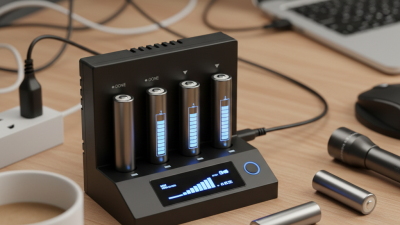
In the ever-evolving world of rechargeable batteries, the 18650 charger stands out. These chargers are essential for powering popular lithium-ion batteries found in various devices. Michael Chen, an industry expert, states, “The right charger can significantly extend battery life.” This highlights the importance of selecting the correct 18650 charger for optimal performance.
Understanding how an 18650 charger works is crucial for users. It ensures safety and efficiency in charging processes. Using a quality charger not only enhances device longevity but also prevents potential hazards. Many users may overlook this aspect, leading to misuse or accidents.
The technology behind 18650 chargers combines precision and innovation. They feature smart charging functions and regulate voltage effectively. However, with great technology comes the responsibility of using it correctly. Users often experience confusion about compatibility and features, highlighting a gap in awareness. It’s vital to address this knowledge gap for safe usage.
What is an 18650 Battery and Its Common Uses?
The 18650 battery has gained immense popularity, especially in portable gadgets and electric vehicles. It is a cylindrical lithium-ion rechargeable battery. Typically, it measures 18mm in diameter and 65mm in height. This compact size offers a balance between efficiency and energy density, making it ideal for various applications.
Common uses of 18650 batteries include power tools, flashlights, and laptops. According to industry reports, the demand for these batteries grew by approximately 21% from 2020 to 2023. Their impressive capacity, often ranging from 1800mAh to 3500mAh, allows devices to function longer between charges. This is crucial for electric vehicles, where battery performance significantly impacts range and efficiency.
However, there are areas needing improvement. The safety mechanisms of 18650 batteries are often questioned due to thermal runaway risks. When mismanaged, these batteries can overheat or even explode. Proper charging practices and using reliable 18650 chargers are essential. Despite advancements in battery technology, issues like capacity fade still occur over time. Industry stakeholders must focus on enhancing safety and reliability to maintain consumer trust and drive growth in this sector.
Understanding the Components of an 18650 Charger
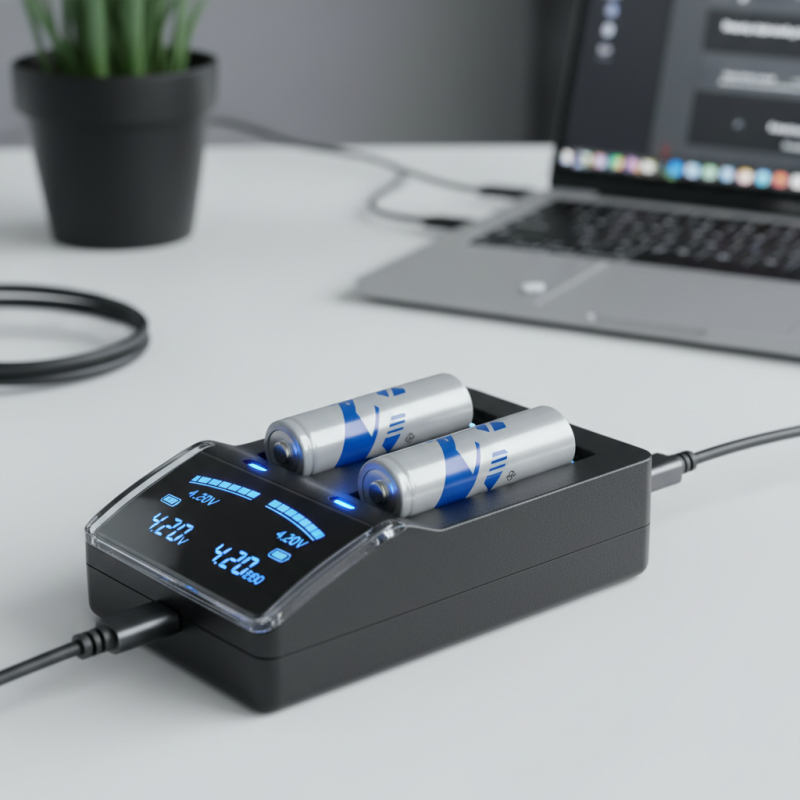
An 18650 charger is designed specifically to recharge lithium-ion batteries of the same size. These batteries are commonly used in various devices, including flashlights, laptops, and electric bikes. Understanding the components of an 18650 charger helps users ensure safe and effective recharging.
The key components of an 18650 charger include the charging circuit, connectors, and safety features. The charging circuit manages voltage and current to prevent overcharging, which can damage the battery. Connectors ensure a secure fit for the battery during charging. Safety features, such as short circuit protection and temperature monitoring, are crucial. They help prevent accidents and extend battery life.
Tips: Always inspect your charger and battery for any signs of damage. Regular checks can prevent hazards. Use chargers that match your battery’s specifications. This choice can enhance charging speed and efficiency. Remember, not all chargers are created equal. It's essential to prioritize quality and compatibility for safe charging practices.
Battery Voltage Levels of 18650 Cells During Charging
How 18650 Chargers Operate: Charging Techniques Explained
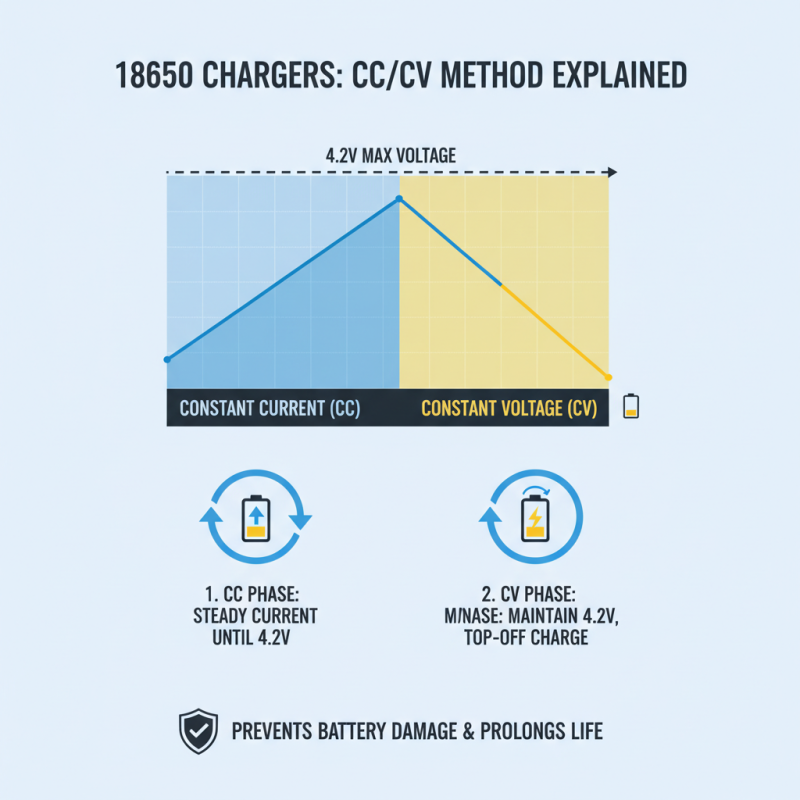
18650 chargers are essential for powering lithium-ion batteries found in various devices. Understanding the operation of these chargers reveals the underlying technology and safety features. Most 18650 chargers employ a constant current/constant voltage (CC/CV) method. This technique begins by supplying a steady current until the battery approaches its maximum voltage, usually 4.2 volts. Once this threshold is reached, the charger switches to a lower constant voltage to complete the charging cycle, helping to prevent battery damage.
Charging efficiency varies among different chargers. A report by the International Energy Agency states that efficient chargers can enhance battery life by reducing heat buildup. Overheating is a common issue when batteries are charged too quickly or with incorrect voltages. Hence, many chargers now incorporate temperature sensors. These sensors adjust the charging rate based on the battery's temperature, optimizing safety and performance.
Despite advancements, issues still arise. For instance, some users may overlook proper ventilation, leading to overheating during the charging process. This highlights the need for user awareness and education about safe charging practices. Understanding these operating principles can transform the way users interact with their devices and, ultimately, enhance their battery longevity.
Safety Features of 18650 Chargers: Protecting Your Device
Safety is paramount when using an 18650 charger. These chargers are designed with multiple features to protect both the device and the user. Overvoltage protection is one critical feature. It ensures that the voltage does not exceed levels that could damage the battery. Data shows that improper charging can lead to thermal runaway, a dangerous condition that can occur at high temperatures.
Another important safety aspect is short-circuit protection. Industry studies reveal that short circuits account for a significant number of battery malfunctions. A quality charger will cut off the power supply if a short circuit is detected. This feature prevents sparks and potential fires, a crucial consideration for users.
Additionally, temperature control is vital. Many chargers monitor battery temperature during charging. If the battery gets too hot, the charger will automatically reduce the charging speed or stop charging altogether. This proactive approach helps prolong battery life and enhances overall safety, reducing the risk of damage or injury. Users must stay informed about these safety features to ensure their charging experience is safe and effective.
Choosing the Right 18650 Charger for Your Needs
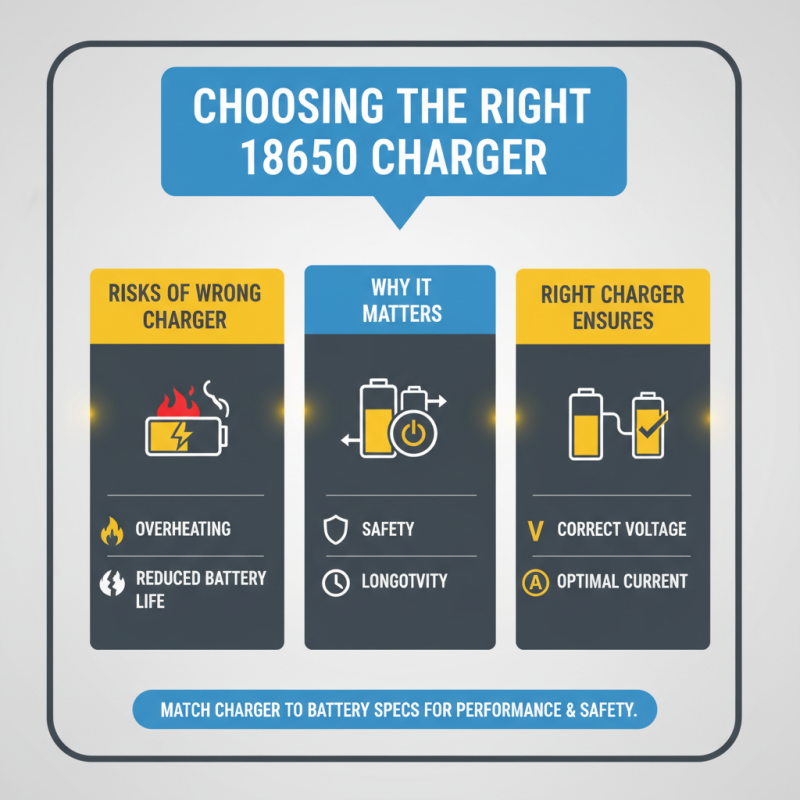
Choosing the right 18650 charger is essential for the safety and longevity of your batteries. Many users underestimate this aspect, often using chargers that don't match their battery specifications. Reports indicate that using incompatible chargers can lead to overheating and reduced battery lifespan, raising safety concerns. The right charger ensures proper voltage and current levels, which can significantly enhance battery performance.
When selecting a charger, consider the charging speed. Fast chargers may seem appealing, but they can degrade battery health over time. Studies recommend chargers that offer a balance between speed and safety. Look for models equipped with built-in protections against overcharging and overheating. Features like smart charging technology can also provide insights into the battery's health, providing data that can guide your usage patterns.
Users frequently overlook the importance of compatibility. Not all 18650 batteries are the same, and this affects charger choice. Match the charger to the specific battery type, such as lithium-ion or lithium-polymer. Inadequate attention to this detail often leads to poor charging experiences. Investing time in understanding your charger and battery dynamics can make a notable difference in performance and safety.

 2 Enterprise Lane, Bedford, PA 15522
  (800) 771-7139
  sales@site_040a9139-525b-4487-aedd-8b22114146ed